The park of giants
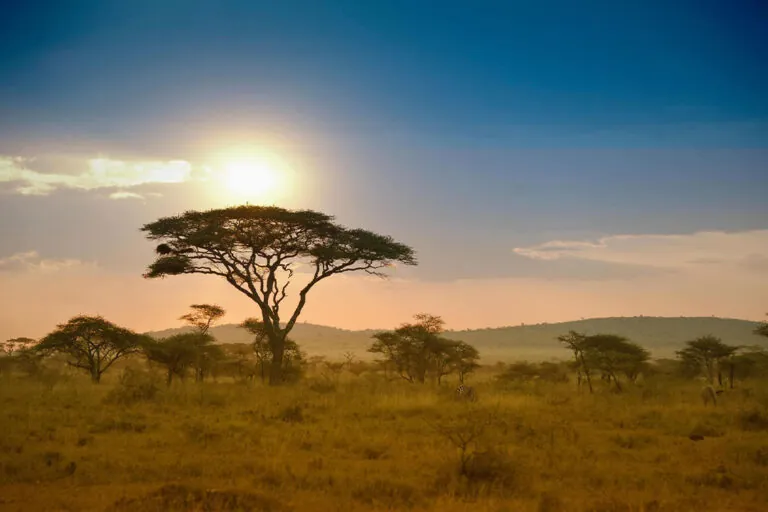
Tarangire is the park that surprises people. Many travellers arrive expecting a quick first stop on the way to the Serengeti and leave saying it was one of the highlights of their safari. The reason is simple: few places in Africa let you watch so many elephants, in such a beautiful setting, so close to a city. Ancient baobab trees, some of them many centuries old, stand over the savannah like sculptures; herds of elephants gather along the river in their hundreds; and the birdlife is among the richest in the country.
Tarangire National Park covers 2,850 square kilometres of the Maasai Steppe in Tanzania’s Manyara Region, about two hours’ drive south-west of Arusha on a good tarmac road. It was protected as a game reserve in 1957 and became a national park in 1970, mainly to safeguard a vital dry-season refuge for elephants and other animals. The park takes its name from the Tarangire River, which runs through it from south to north and is the only permanent water in the wider region during the dry months.
That river is the key to understanding Tarangire. In the rains, animals spread out across a much larger ecosystem of around 20,000 km² of community land and wildlife management areas. As the land dries, they return to the river and the swamps, and from about June to October the park holds one of the highest concentrations of wildlife anywhere in northern Tanzania outside the Serengeti.
Tarangire at a glance
- Size: 2,850 km², roughly twice the size of Greater London.
- Protected: game reserve from 1957, national park since 1970.
- Location: Manyara Region, about 118 km from Arusha; around 70 km from Lake Manyara National Park.
- Landscape: baobab savannah, acacia and combretum woodland, the Tarangire River valley and the Silale Swamp.
- Known for: large elephant herds, baobab trees, more than 550 bird species, pythons and lions resting in trees, and rare antelope such as the fringe-eared oryx and lesser kudu.
Elephants: the heart of Tarangire
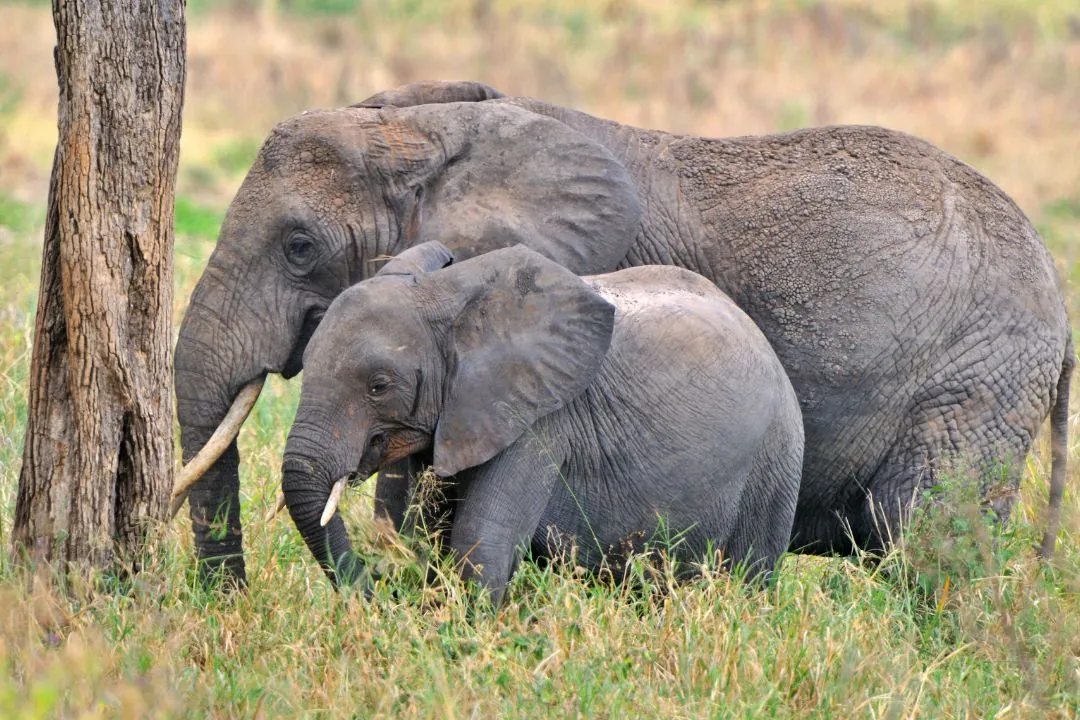
Tarangire is home to one of the largest elephant populations in northern Tanzania. Estimates for the wider Tarangire ecosystem run to around 3,000 animals, and in the dry season you can see family groups of dozens, and sometimes gatherings of several hundred, digging for water in the sandy riverbed, bathing in the swamps or walking in long lines between the baobabs. Because the herds here are relaxed around vehicles, Tarangire is one of the best places in Africa to watch elephant behaviour up close: calves learning to use their trunks, young bulls testing each other, and matriarchs leading their families to water.
The elephants of Tarangire have been studied for decades by researchers who know individual families by name. Their work has helped show how important the corridors connecting Tarangire with Lake Manyara and the surrounding community lands are; elephants and other animals need to move freely between the park and these areas during the rains.
The baobabs
If elephants are the heart of Tarangire, baobabs are its soul. These extraordinary trees, with their swollen trunks and branches that look like roots, can store huge amounts of water in their fibrous wood, which helps them survive long dry seasons. Some of Tarangire’s largest baobabs are believed to be many hundreds of years old. Look closely and you will see the scars left by elephants, which strip the bark and gouge the soft wood for moisture in the driest months. In the wet season the trees come into leaf and produce large white flowers, pollinated at night by fruit bats.
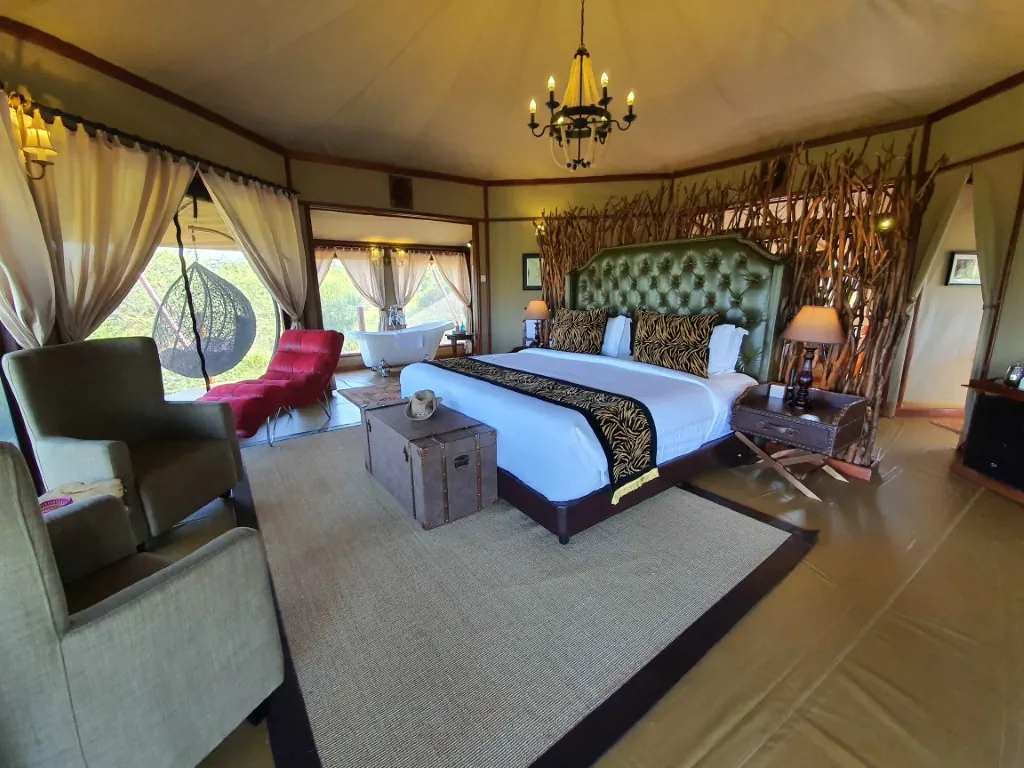
The lodge Elewana Tarangire Treetops is built around a baobab thought to be about a thousand years old, with rooms raised among the branches of baobab and marula trees.
Other wildlife in Tarangire
Predators
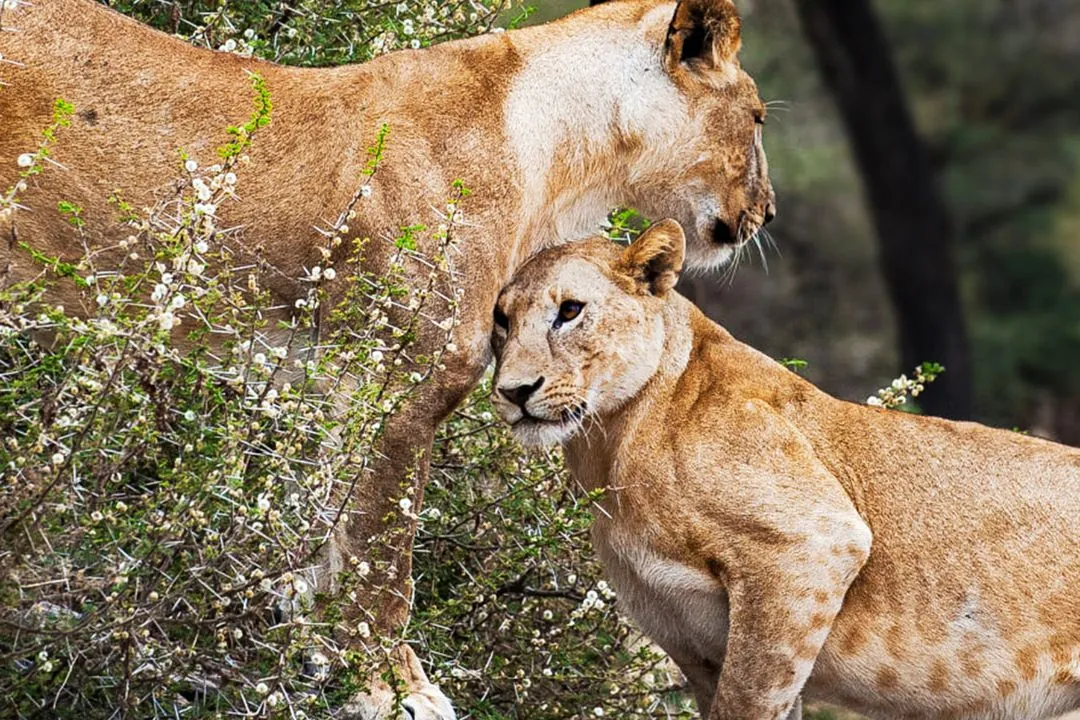
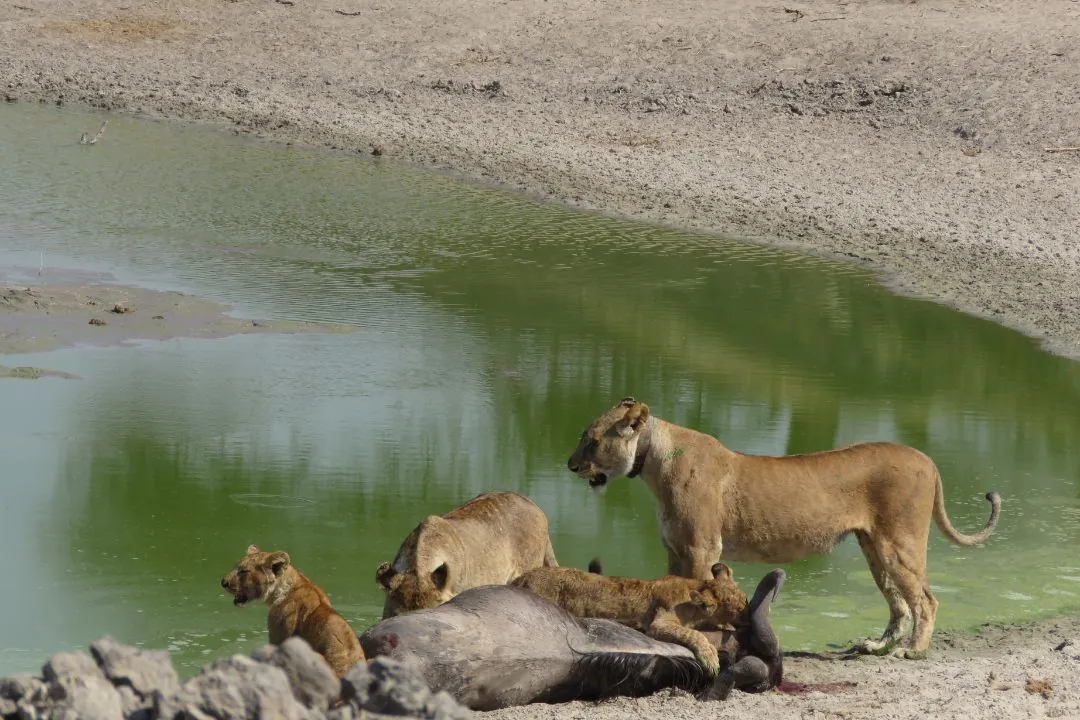
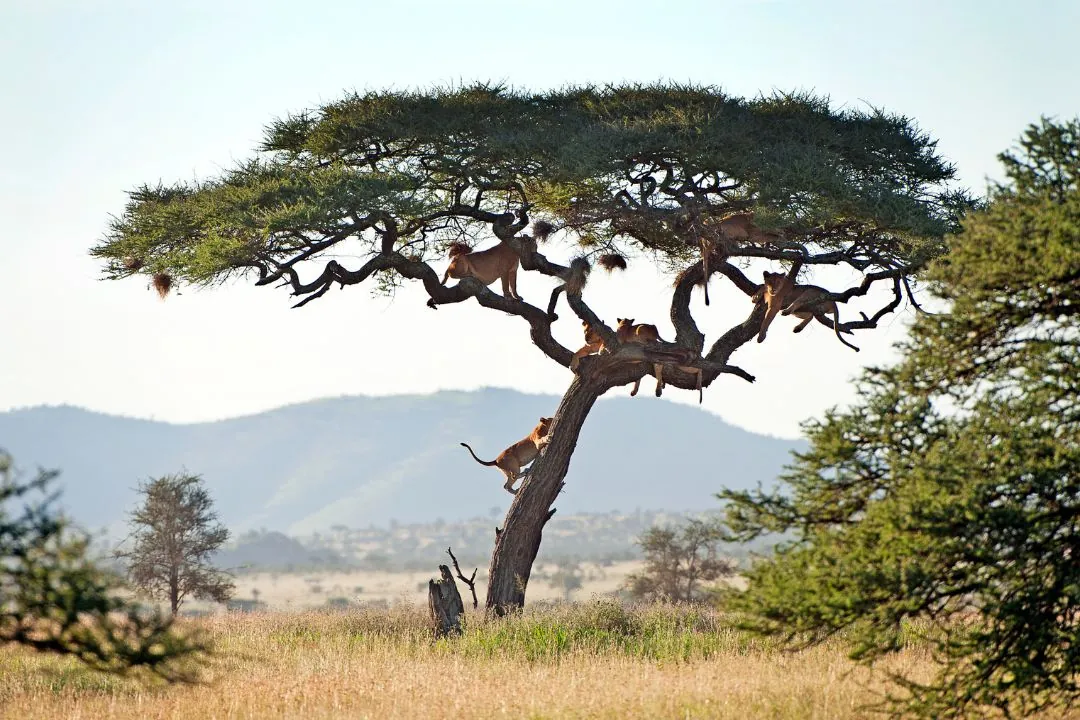
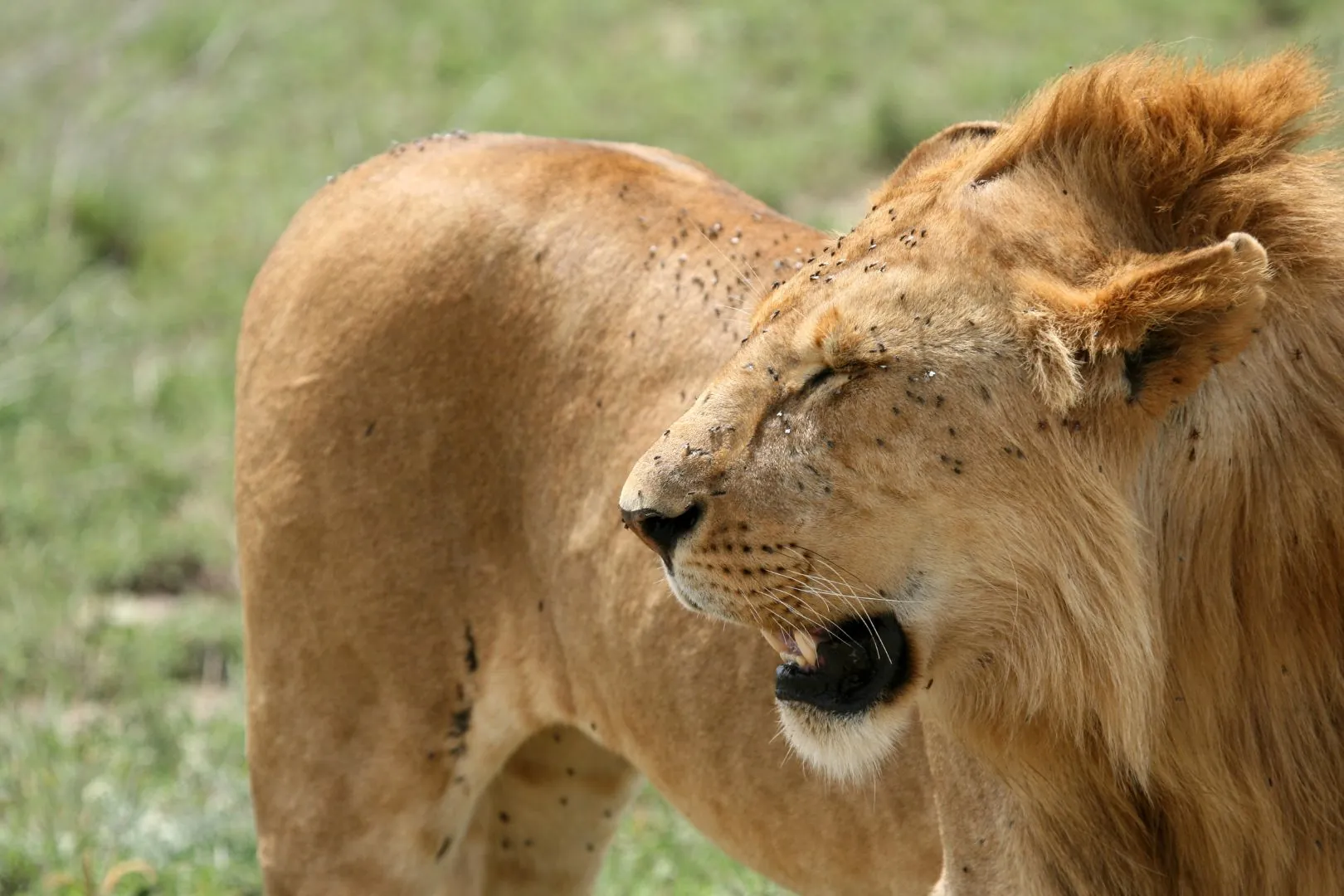
Lions are common, and Tarangire’s prides are sometimes seen resting in trees, a behaviour that is better known from Lake Manyara. Leopards hide in the riverine woodland and the larger trees, cheetahs hunt on the more open plains in the south, and spotted hyenas, jackals and the occasional pack of African wild dogs complete the picture. Smaller predators include servals, caracals, honey badgers and several mongoose species; the abandoned termite mounds that dot the park are often home to dwarf mongooses.
Grazers and browsers
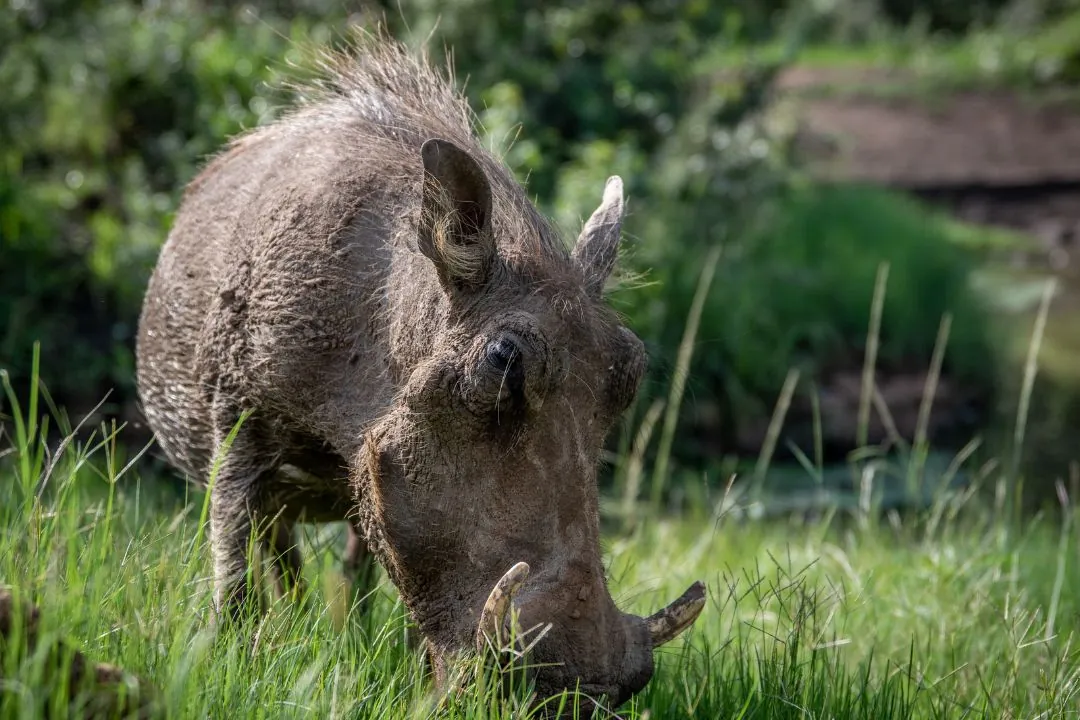
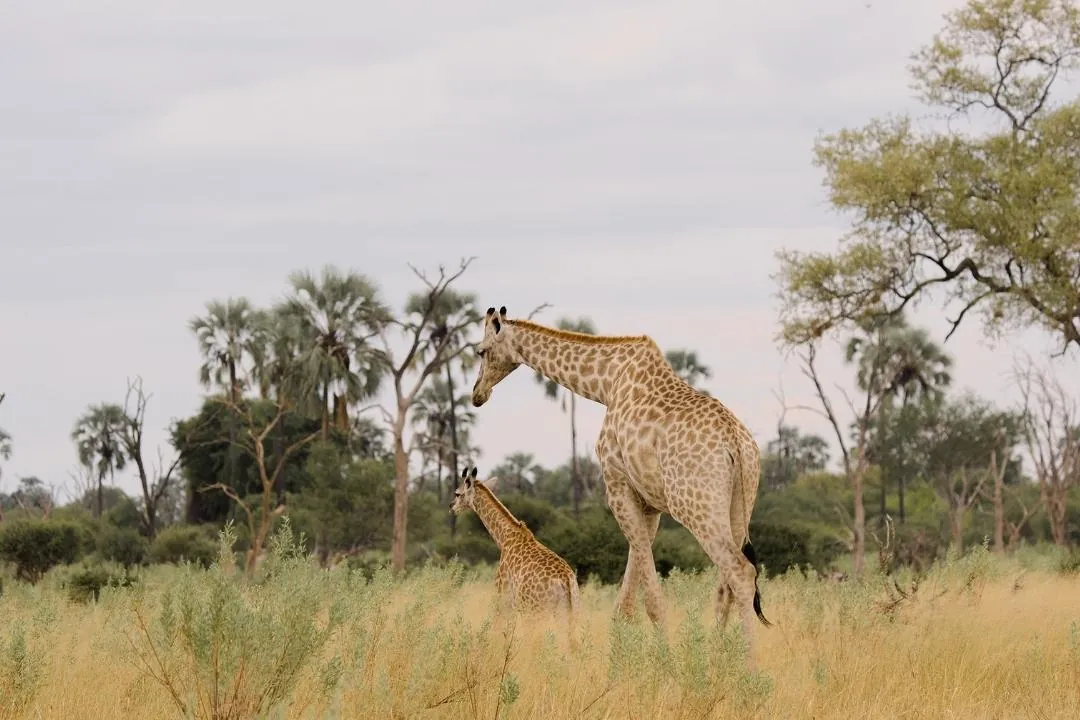
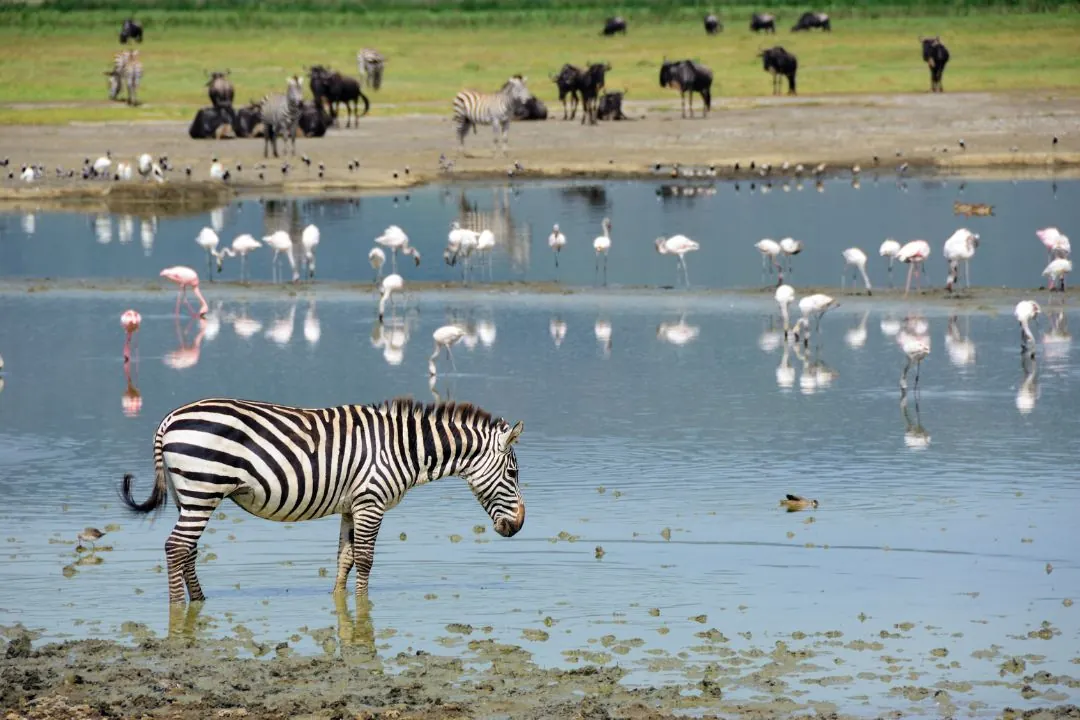
Besides elephants, the dry season brings large numbers of buffaloes, zebras, wildebeest, elands, giraffes, impalas, Grant’s gazelles and warthogs to the river. Tarangire is also one of the best places in northern Tanzania for species that are hard to find elsewhere on the circuit, including the fringe-eared oryx, lesser kudu and gerenuk, which prefer drier bush.
Reptiles
Tarangire is known among guides for its African rock pythons, which are occasionally seen coiled in trees along the river. Nile monitor lizards and crocodiles live along the water.
A paradise for birdwatchers
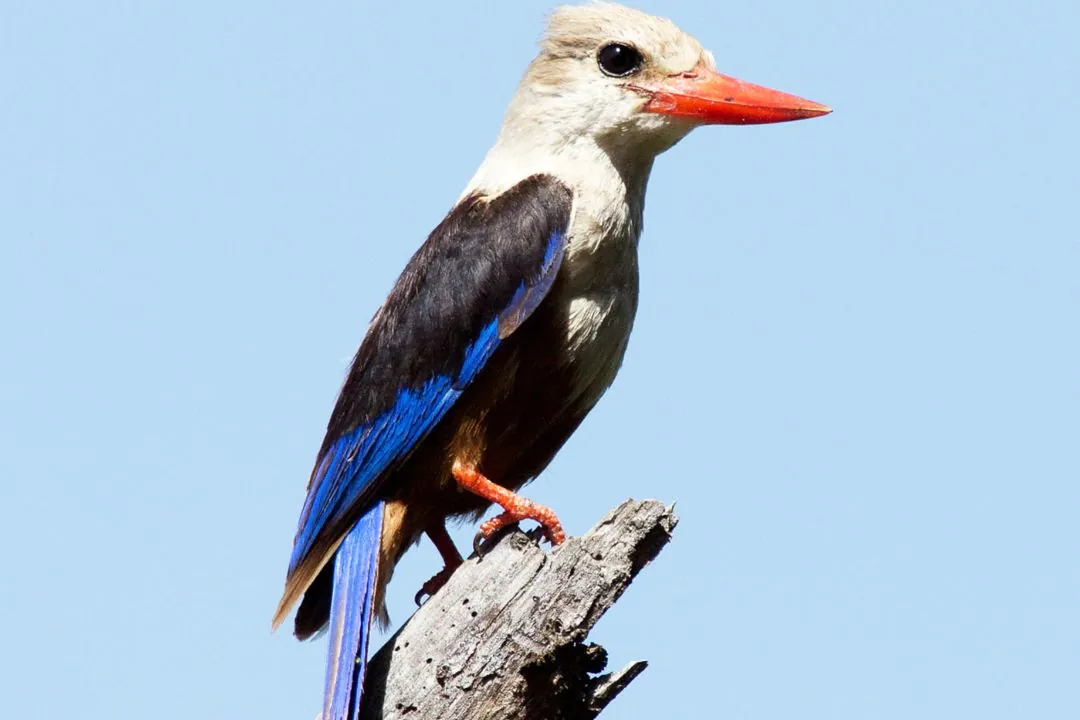
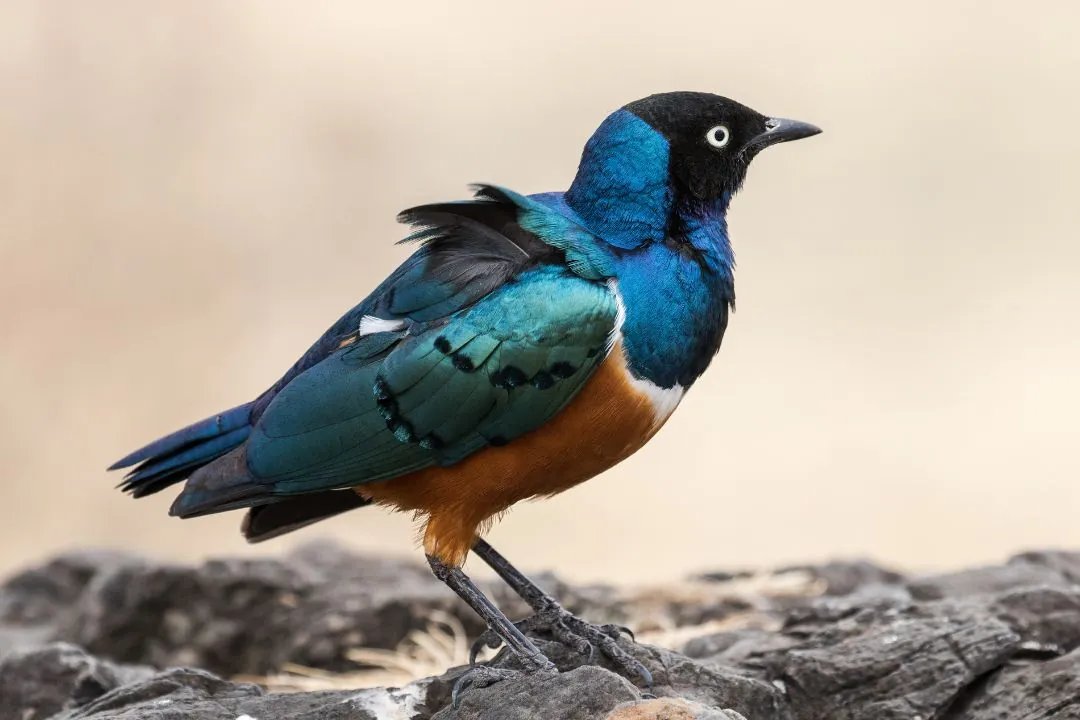
With more than 550 bird species recorded, Tarangire has one of the richest bird lists of any park in Tanzania, and its swamps are said to support more breeding bird species than almost any comparable habitat in the world. Highlights include the yellow-collared lovebird, the ashy starling and the rufous-tailed weaver, three birds found almost nowhere outside Tanzania. You can also see ostriches, kori bustards, ground hornbills, secretary birds, lilac-breasted rollers, many birds of prey and, around the Silale Swamp, saddle-billed storks, herons, kingfishers and pelicans. The wet season, from November to April, brings migrant birds from Europe and Asia and is especially rewarding for birders.
Areas of the park
The Tarangire River valley (north)
The northern part of the park, closest to the main gate, follows the Tarangire River and is where most visitors spend their time. It is the best area for elephants in the dry season, with lovely viewpoints over the river and baobab-studded hills. This is also where most day visitors go, so it can be busier around midday.
The Silale Swamp and the south
Further south, the Silale Swamp stays green and wet for much of the year and attracts buffaloes, elephants, lions and huge numbers of birds. The southern part of the park, around the Lamarkau plains and beyond, is wilder and much quieter. If you have a full day or more in the park, a drive to the south is well worth it.
Community conservancies outside the park
Around Tarangire, community-run wildlife management areas such as Randilen and Burunge protect important dispersal land and corridors. Lodges in these areas can offer activities that are not permitted inside the national park, including guided walks and night drives, while bringing income to local Maasai communities.
Best time to visit Tarangire
- June to October (dry season): the best time for wildlife, when animals concentrate along the river and around the swamps. Elephant numbers are at their peak, the bush is thin and sightings are easy. This is the main season and the most popular time to visit.
- November and December: the short rains bring green grass and migrant birds; many animals begin to disperse but game viewing remains good.
- January to March: a warm, green time, excellent for birdwatching and photography, with fewer visitors. Wildlife is more spread out.
- April and May: the long rains. The park is lush and very quiet, some tracks can be difficult and some seasonal camps close.
Use our month-by-month planner on the homepage to see how your travel dates suit Tarangire, the Serengeti migration, a Kilimanjaro climb and Zanzibar.
Things to do in Tarangire
Game drives
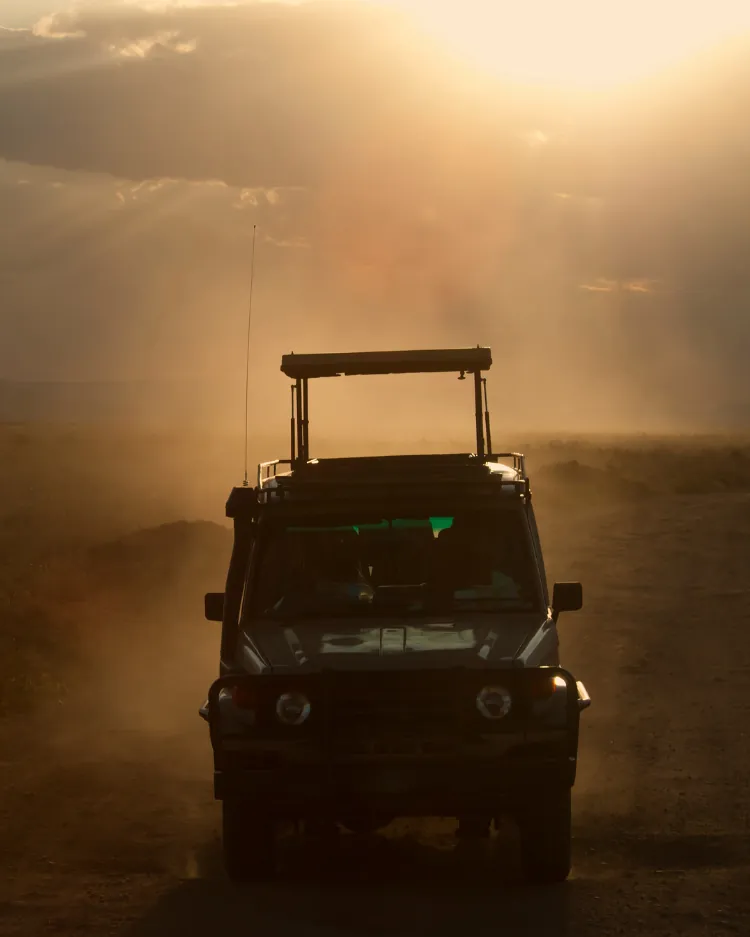
Most visitors explore the park on morning and afternoon game drives in a private 4x4 vehicle, or on a full day with a picnic lunch at one of the scenic picnic sites above the river. Because Tarangire is close to Arusha, it also works well as a single, full-day trip.
Walking safaris
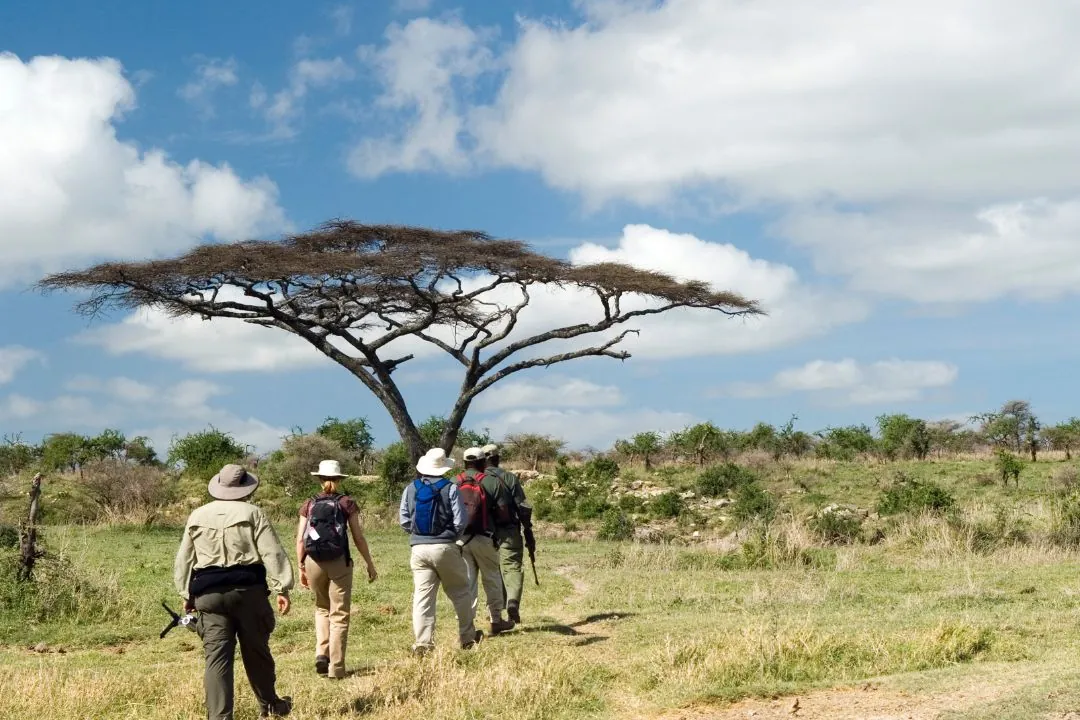
Walking with an armed ranger is one of the best ways to experience Tarangire’s landscape and smaller details: tracks, dung, termite mounds, medicinal plants and birds. Our 2-Day Tarangire Walking Safari combines walks with game drives for travellers who want to get out of the vehicle.
Night drives and bush dinners
Night drives are not permitted inside the national park, but they can be arranged by some lodges in the neighbouring conservancies. They are a chance to see nocturnal animals such as bushbabies, genets, porcupines, aardvarks and hunting lions.
Cultural visits
Maasai communities live around the park, and visits to a village can be arranged to learn about their customs and way of life.
A short history of Tarangire
Long before it was a park, the Tarangire area was used by Maasai and Barabaig pastoralists, and earlier by hunter-gatherers, who moved with the seasons in much the same way as the wildlife. The colonial authorities declared a game reserve here in 1957, and in 1970 the newly independent Tanzanian government gazetted Tarangire as a national park, recognising its importance as a dry-season refuge for elephants, rhinos and the great herds of zebras and wildebeest that migrate between the park and the surrounding plains. Black rhinos, sadly, were lost to poaching in the late 20th century, but the elephant population, which also suffered in the 1980s, has recovered strongly thanks to protection and community conservation.
The Tarangire migration and its corridors
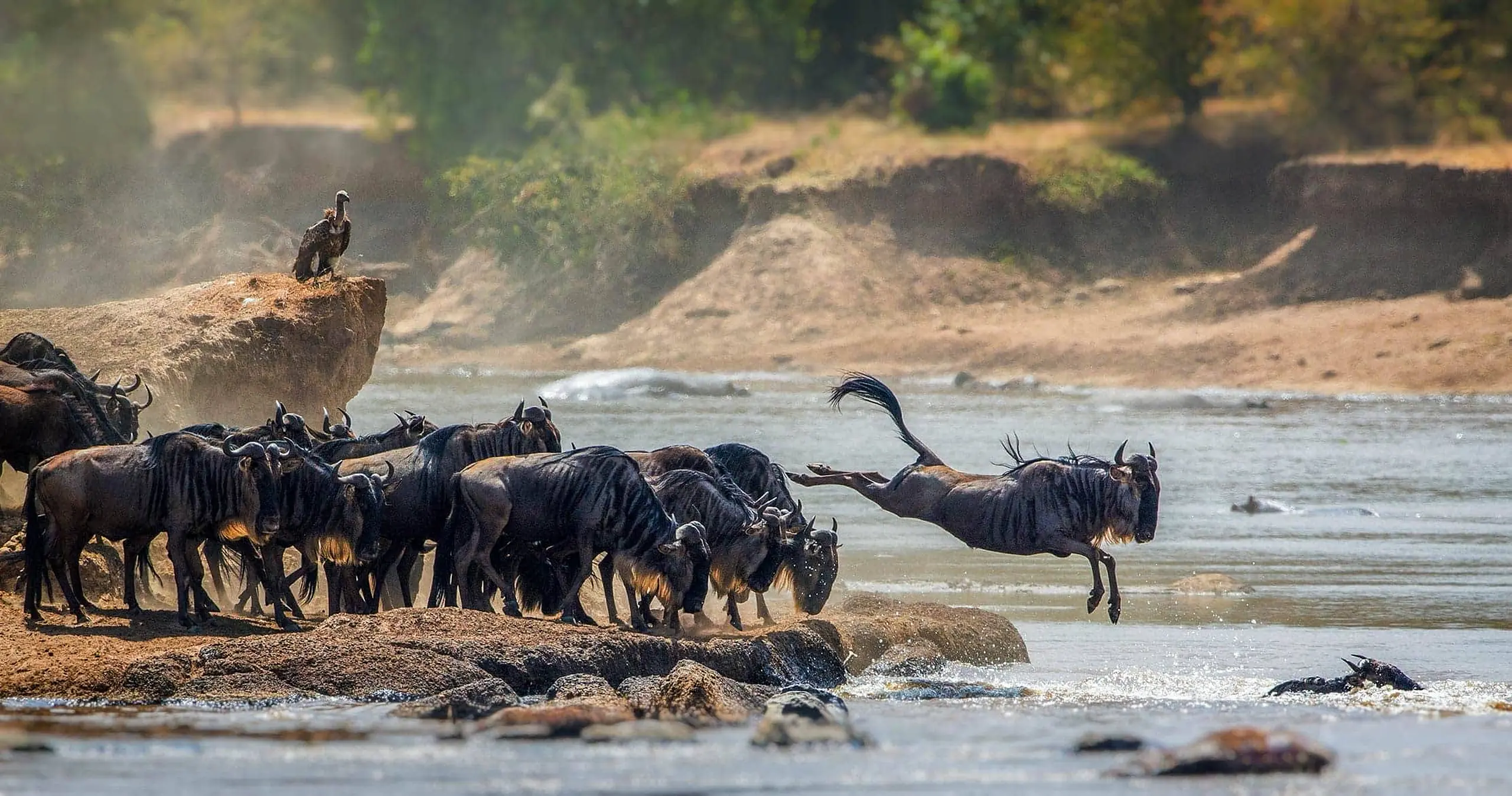
The Serengeti is not the only park in Tanzania with a migration. Each year, wildebeest, zebras, elands, elephants and buffaloes move out of Tarangire with the rains, dispersing over a large area of the Maasai Steppe and the Simanjiro plains to the east, and northwards towards Lake Manyara and Lake Natron. As the plains dry, they return to the permanent water of the Tarangire River. This seasonal movement is smaller than the Serengeti migration but just as important for the animals that depend on it.
Keeping these routes open is one of the biggest conservation challenges in northern Tanzania. Farming and settlements around the park have grown quickly, and the wildlife corridors connecting Tarangire with Lake Manyara, such as the Kwakuchinja corridor, are narrow in places. Community wildlife management areas like Randilen and Burunge, and conservation-minded lodges in them, play an important role by giving local communities an income from wildlife and keeping land open for animals to move.
Sample itinerary: two days in Tarangire
Day 1: Arusha to Tarangire
Leave Arusha after breakfast and reach the park gate in about two hours. Spend the rest of the day exploring the northern river valley, with a picnic lunch overlooking the Tarangire River. In the afternoon, look for elephants coming to drink and lions resting in the shade, then head to your lodge or camp for sundowners.
Day 2: The Silale Swamp and the quiet south
Set off early with a packed lunch for a full day in the south of the park. Explore the edges of the Silale Swamp for buffaloes, elephants, storks and pelicans, and look for oryx and lesser kudu in the drier bush. If you are staying in a conservancy, finish with a guided walk or a night drive. From here, continue to Lake Manyara, Karatu and the Ngorongoro Crater, or return to Arusha.
Tarangire or Lake Manyara?
These two parks are often visited together, and they are very different. Tarangire is larger, drier and wilder, with big elephant herds, baobabs and the best general game viewing of the two in the dry season. Lake Manyara is small and lush, with a groundwater forest, a soda lake with seasonal flamingos, and the dramatic wall of the Rift Valley escarpment behind it. If you only have time for one, we usually recommend Tarangire from June to October and Lake Manyara in the green season, or when you want a shorter, easier day on the way to the crater. With an extra day, there is no need to choose.
How to get to Tarangire
Tarangire is the closest of the major northern parks to Arusha. The drive of about 118 km takes roughly two hours on tarmac, passing through the town of Makuyuni before the turn-off to the main gate. From Kilimanjaro International Airport, allow about three hours. There is also an airstrip inside the park (Kuro) served by scheduled light aircraft, which is convenient if you are flying in from the Serengeti or the coast.
Because it is so accessible, Tarangire is usually the first or last park on a northern circuit safari. Many itineraries go from Arusha to Tarangire, then on to Lake Manyara or Karatu, the Ngorongoro Crater and the Serengeti.
Where to stay in and around Tarangire
You can stay inside the national park, in the community conservancies around it, or between Tarangire and Lake Manyara. Each has its advantages:
- In the conservancies: Elewana Tarangire Treetops, in the Randilen conservancy, offers treehouse rooms in baobab and marula trees, guided walks and night drives, and elephants visiting the lodge from July to September.
- Between Tarangire and Lake Manyara: Maramboi Tented Camp is a relaxed, good-value tented camp about 20 minutes from the park, ideal if you want to visit both Tarangire and Lake Manyara.
- Day trips from Arusha: if you prefer to stay in Arusha, lodges such as Elewana Arusha Coffee Lodge or Gran Meliá Arusha make a comfortable base for a full-day visit.
Browse all of our favourite places on the Where you’ll stay page.
Tours and safaris that include Tarangire
- Tarangire National Park Day Trip: a full day of game driving from Arusha.
- 2-Day Tarangire Walking Safari: walking and game drives for active travellers.
- 3-Day Tanzania Wildlife Safari and 4-Day Tanzania Wildlife Safari: Tarangire, Lake Manyara and the Ngorongoro Crater.
- 6-Day Ultimate Family Safari: Tarangire, the Serengeti and the crater at a family-friendly pace.
- 8-Day Northern Circuit Safari and 9-Day Wildebeest Migration Safari: the full northern circuit.
- 10-Day Tanzania Safari & Zanzibar Holiday: safari followed by the beach.
How many days in Tarangire?
One full day is enough to see the main river area and its elephants, and many visitors do just that on the way to the Serengeti. Two nights let you explore further south to the Silale Swamp, enjoy a walk, and see the park at its quietest in the early morning and evening. Birdwatchers and photographers will find plenty to fill three nights.
Practical tips
- Tsetse flies: some wooded areas of Tarangire have tsetse flies, which are attracted to dark blue and black. Wear light, neutral colours and bring insect repellent.
- Heat: Tarangire lies lower and is warmer than the highlands; bring sun protection and plenty of water.
- Malaria: Tarangire is in a malaria area; speak to your doctor about prevention before you travel.
- Photography: the soft light in the late afternoon among the baobabs is some of the most beautiful on any safari.
Tarangire for families
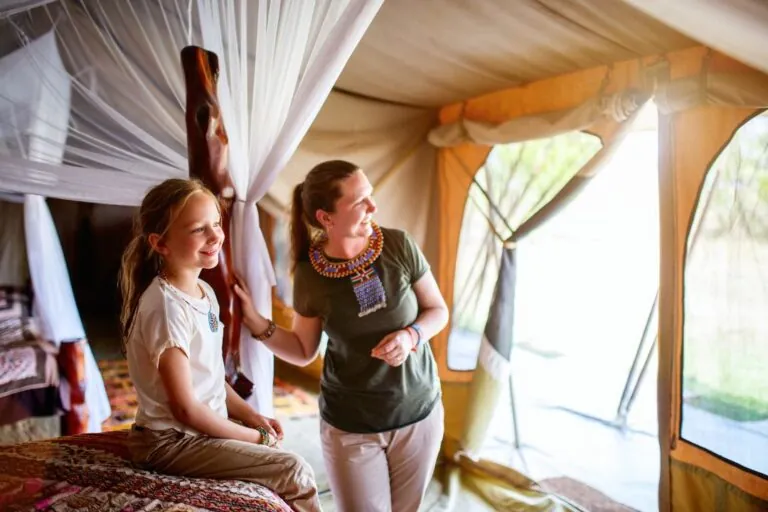
Tarangire works very well for families. The drive from Arusha is short, the roads are good, and elephants, giraffes and zebras are easy for children to spot and enjoy. Lodges in the area are used to young guests, and a private vehicle means you can stop for snacks, toilet breaks or a rest whenever you need. Combine Tarangire with a pool afternoon at your lodge and you have an ideal first taste of safari for children. Our 6-Day Ultimate Family Safari starts here.
Plan your Tarangire safari
Whether you want a single day with the elephants, a walking safari, or a longer journey through the northern parks, we will plan it around your dates and interests. Send us an enquiry and a travel expert in Arusha will reply within 24 hours.