The jewel at the foot of the Rift Valley
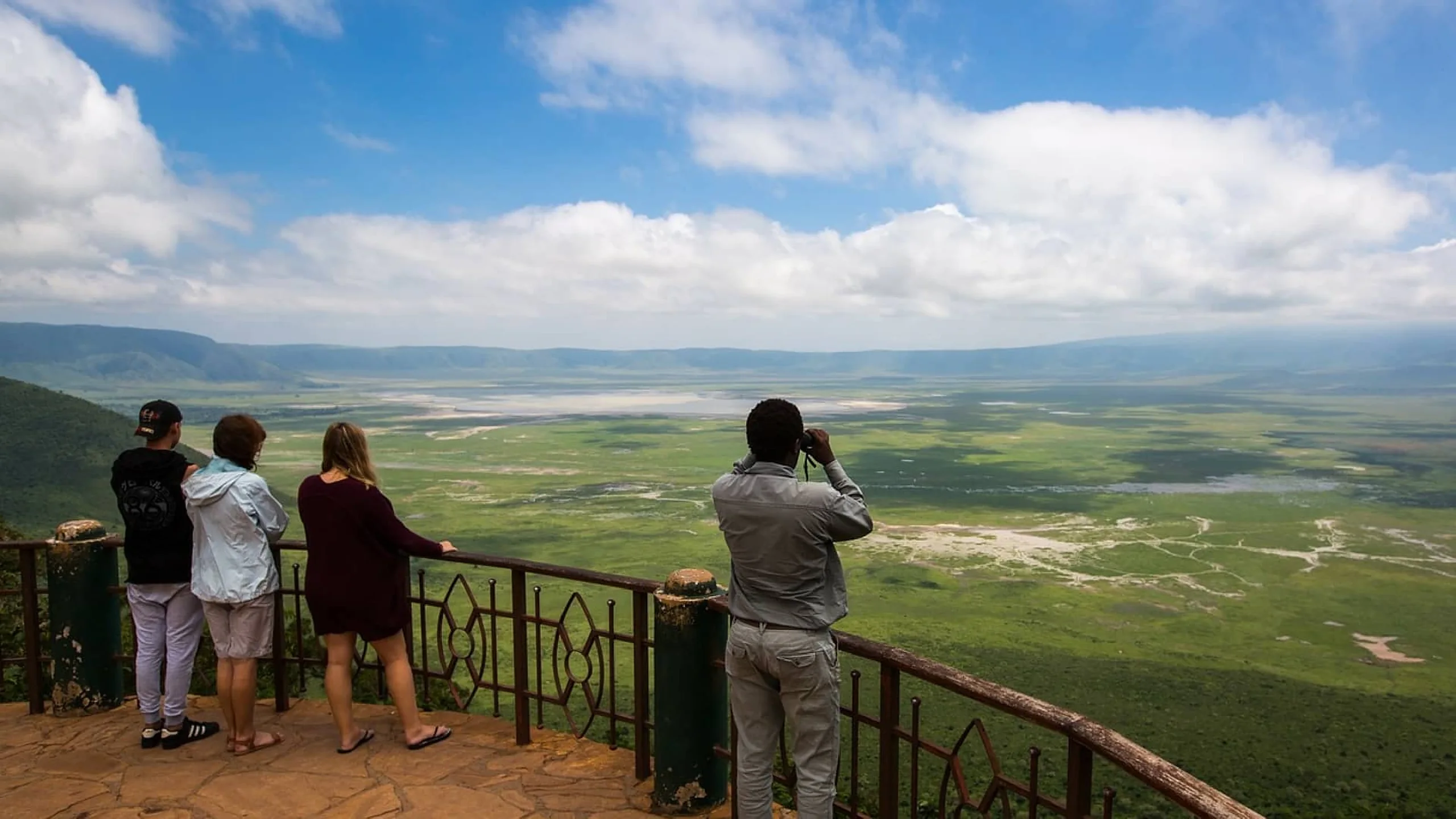
Driving west from Arusha, the road crosses dry plains until, quite suddenly, a wall of rock rises ahead: the western escarpment of the Great Rift Valley. At its foot, beneath forested cliffs, lies a long, shallow soda lake shimmering in the heat. This is Lake Manyara National Park, one of the smallest but most scenic parks in Tanzania, and a place that the writer Ernest Hemingway famously called “the loveliest I had seen in Africa”.
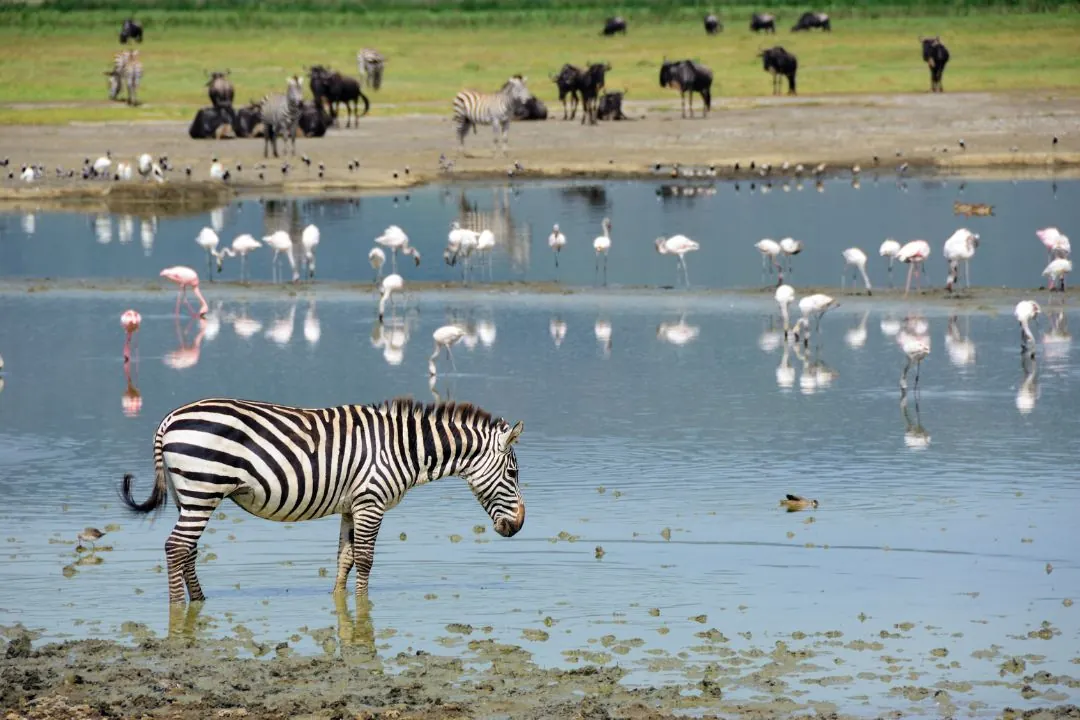
The park is a narrow strip of land squeezed between the escarpment and the lake. Within a few kilometres you pass from a lush groundwater forest of fig and mahogany trees, fed by springs from the cliffs, through acacia woodland and open grassland to the shore of the lake, where hippos wallow and, in the wetter months, flamingos gather in pink ribbons. It is a compact, varied and very beautiful park, and because it lies on the main road between Arusha and the Ngorongoro Crater, it is easy to include in almost any northern Tanzania safari.
Lake Manyara was protected as a game reserve in 1957 and became a national park in 1960, making it one of the oldest in the country. In 1981 the park and the surrounding area were declared a UNESCO Biosphere Reserve. Its land area is about 330 square kilometres, and the lake itself, a closed basin with no outlet, covers a large part of the protected area, especially after good rains.
Lake Manyara at a glance
- Size: about 330 km² of land; the lake fills much of the wider park area and changes size with the rains.
- Protected: game reserve from 1957, national park since 1960; part of the Lake Manyara Biosphere Reserve since 1981.
- Location: about 125 km west of Arusha, at the village of Mto wa Mbu, below the Rift Valley escarpment.
- Altitude: around 950 m at the lake shore, rising steeply to the escarpment above.
- Known for: tree-climbing lions, large elephant families, baboon troops, flamingos and other water birds, the groundwater forest, hot springs and Tanzania’s first treetop walkway.
The habitats of Lake Manyara
For such a small park, Manyara has a remarkable range of habitats, and that variety is what makes a game drive here so rewarding. The main track runs from the gate in the north towards the hot springs in the south, passing through each of them.
The groundwater forest
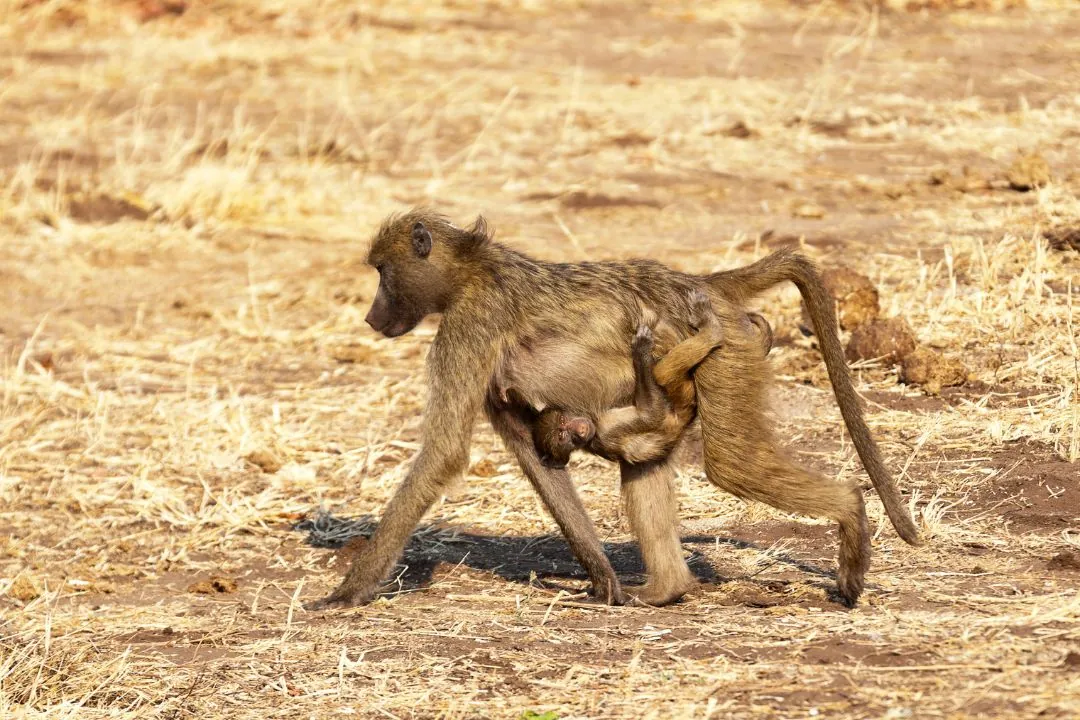
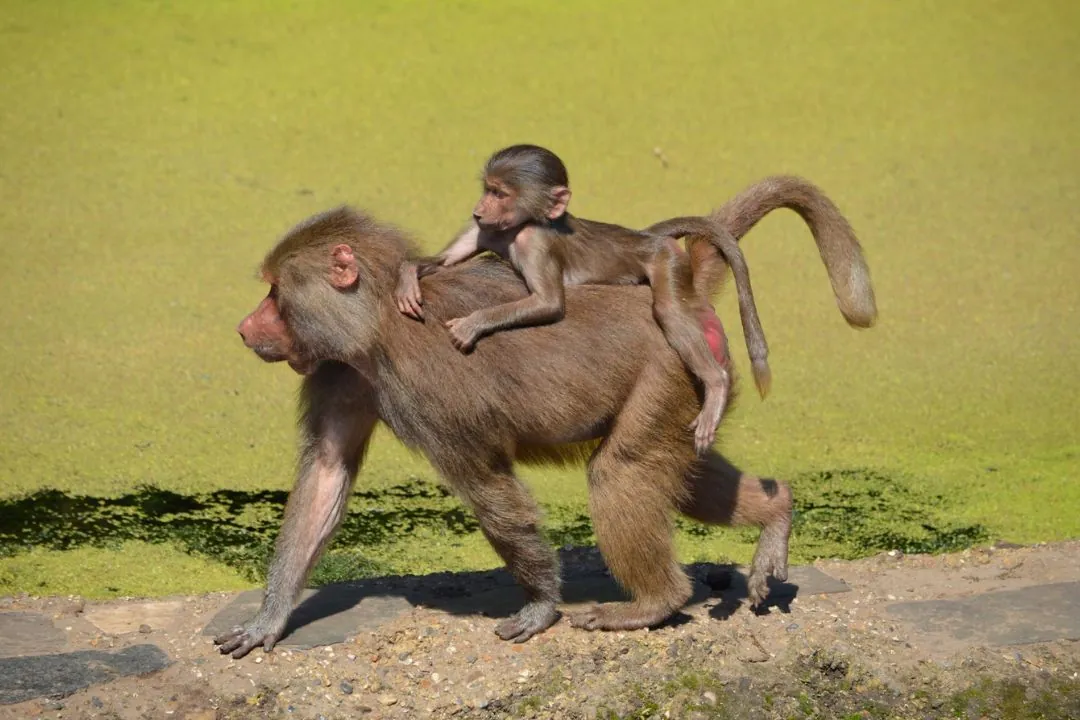
Just inside the gate, you enter a tall, green forest that looks as if it belongs somewhere much wetter. It is fed not by rain but by groundwater seeping from the base of the escarpment. Huge fig and mahogany trees shade the track, and the forest is home to large troops of olive baboons, blue monkeys, bushbucks and the shy Kirk’s dik-dik. It is also where elephants often feed, and where the canopy walkway gives you a bird’s-eye view.
The forest feels cool and quiet after the heat of the plains, and it is worth driving slowly here with the windows open. Listen for the loud, braying calls of silvery-cheeked hornbills, the rustle of baboons in the leaf litter and the trumpeting of elephants feeding unseen nearby. Many of the trees are buttressed giants, and several streams cross the track, so this is also a good place to look for kingfishers and, in the wet season, colourful butterflies.
Acacia woodland and the grasslands
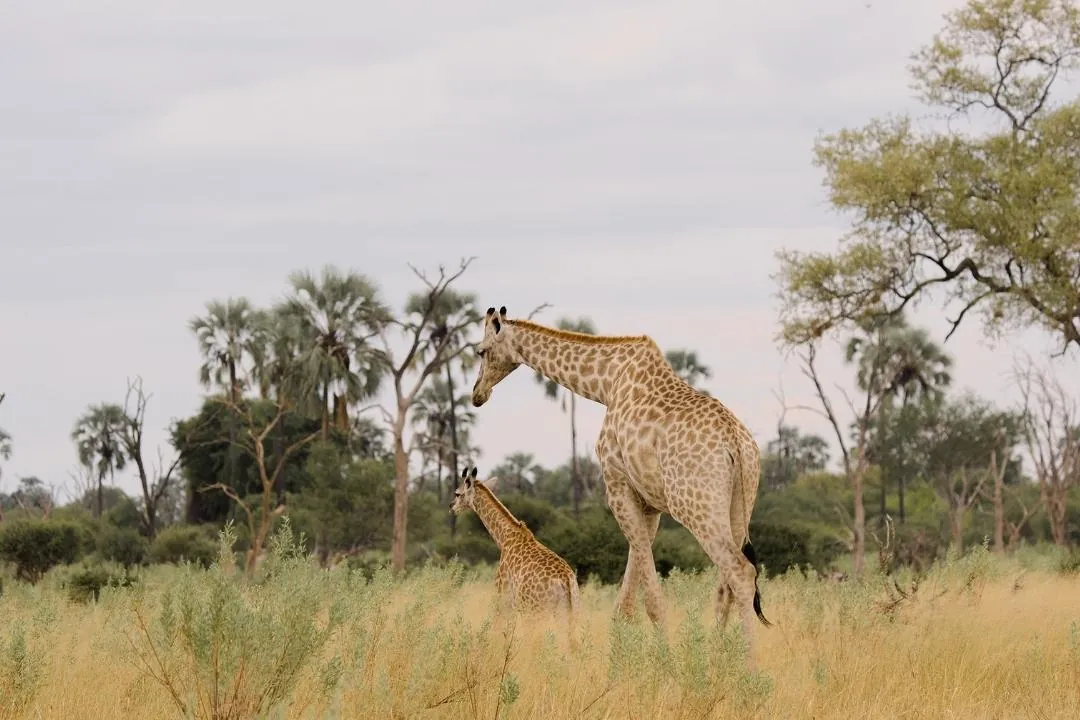
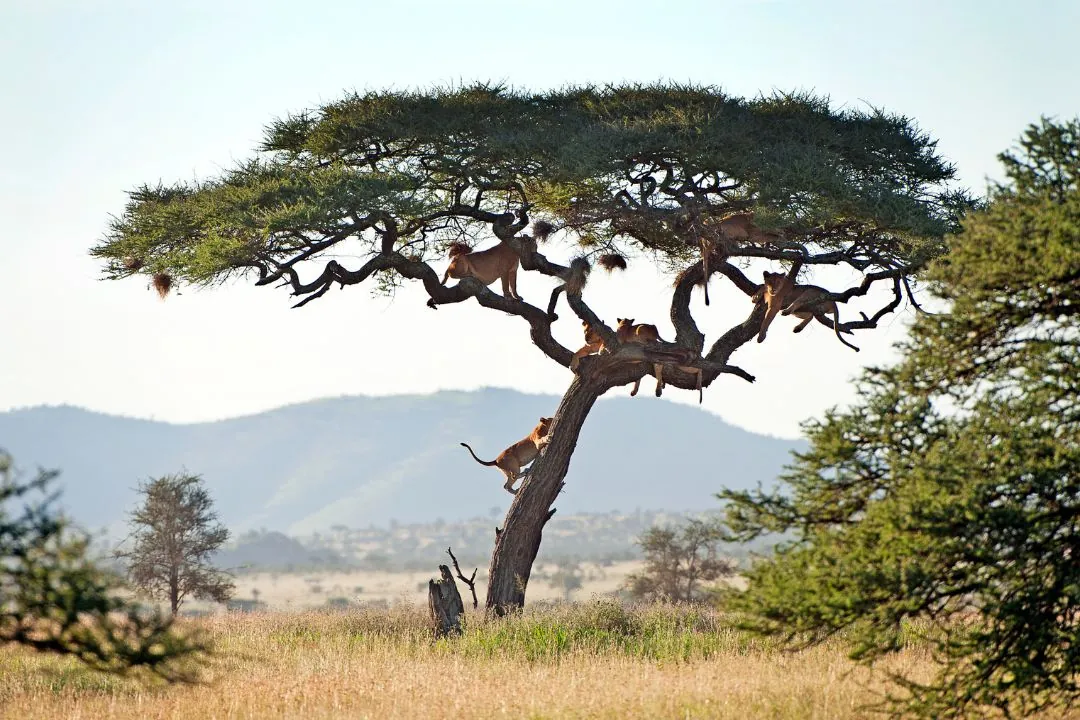
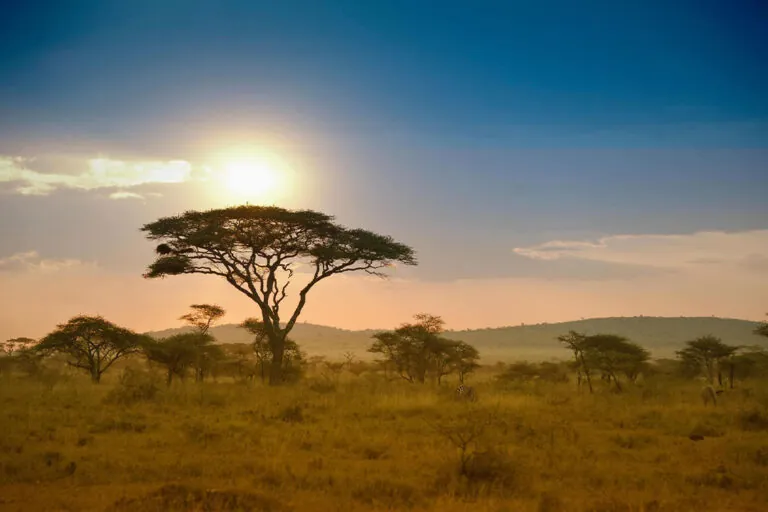
Further south the forest gives way to acacia woodland, home to giraffes, impalas, buffaloes, zebras and wildebeest, and to the lions that sometimes climb into the trees. Open floodplains along the lake shore attract grazers and offer wide views across the water to the hills beyond.
The lake and its shore
Lake Manyara is a shallow, alkaline soda lake. Its level rises and falls a great deal with the rains, and in very dry years large parts of it can shrink back. When conditions are right, it attracts flocks of lesser and greater flamingos, pelicans, storks, spoonbills and many other water birds. A hippo pool near the northern shore is one of the most reliable places in northern Tanzania to watch hippos at close range.
The escarpment and the hot springs
The cliffs of the Rift Valley escarpment rise up to about 600 metres above the lake and dominate every view. Waterfalls tumble down them in the wet season. At the southern end of the main track, the hot springs of Maji Moto bubble up near the shore, a reminder of the geological forces that created the Rift Valley.
Wildlife of Lake Manyara
The tree-climbing lions
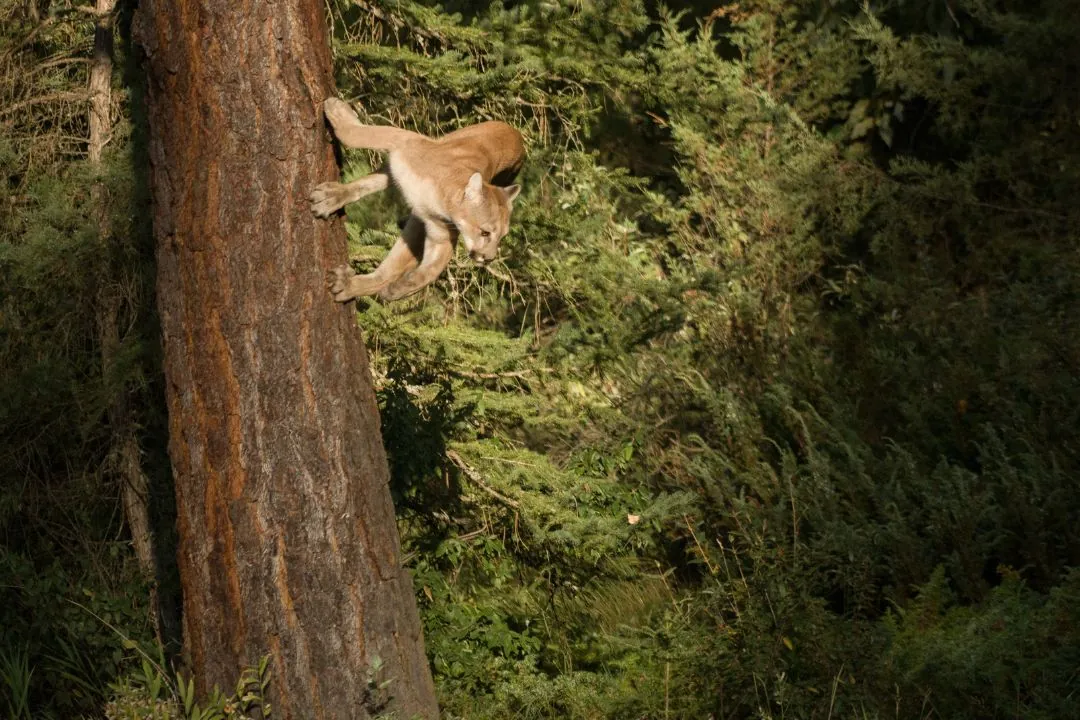
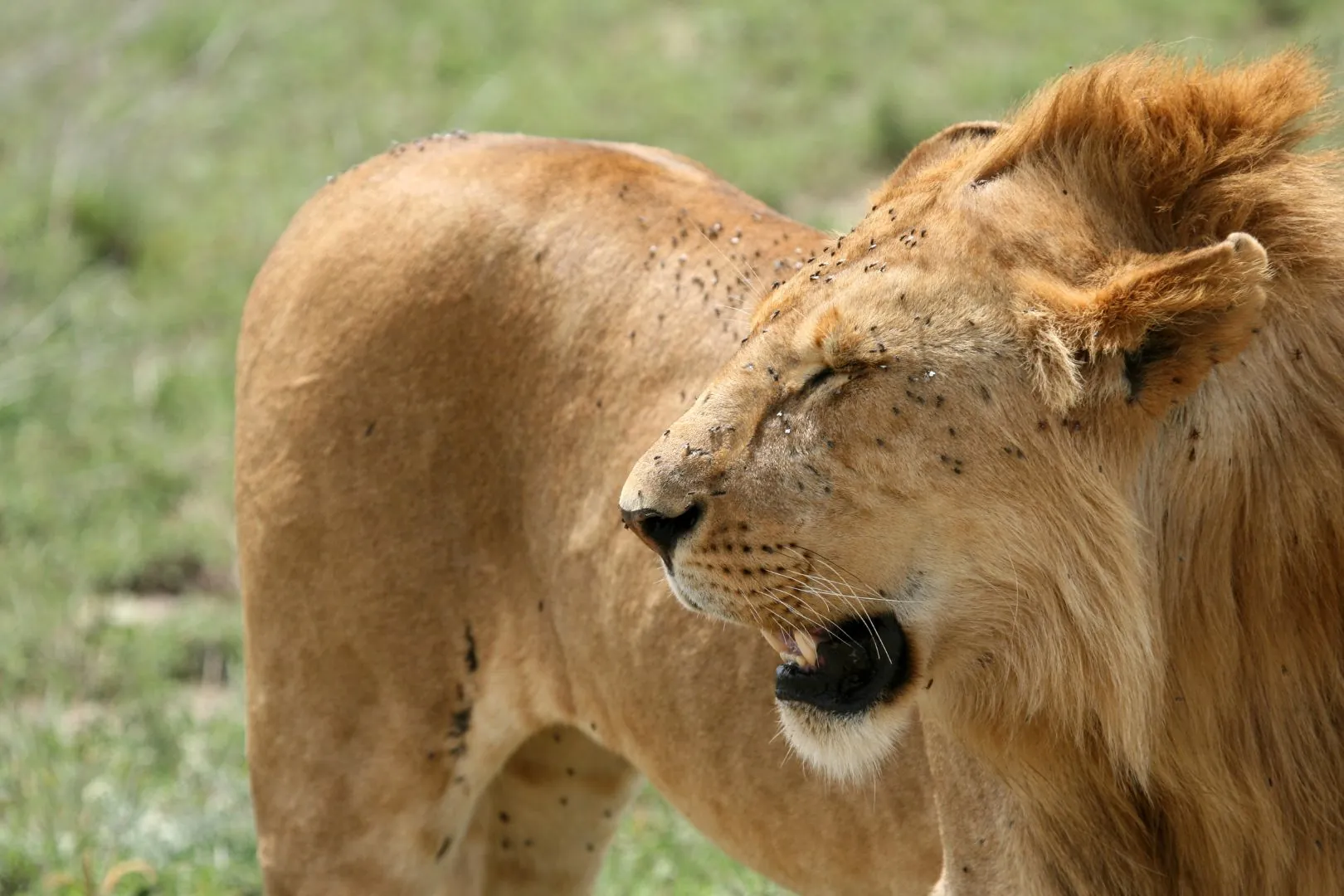
Lake Manyara became famous in the 20th century for its lions’ habit of resting in the branches of acacia and fig trees, a behaviour seen here more often than almost anywhere else in Africa. Nobody knows for certain why they do it; theories include escaping biting flies, catching a cooling breeze, or simply a habit passed down in the local prides. Sightings are never guaranteed and have become less frequent in recent years, so think of a lion in a tree as a lovely bonus rather than the reason to come.
Elephants and other mammals
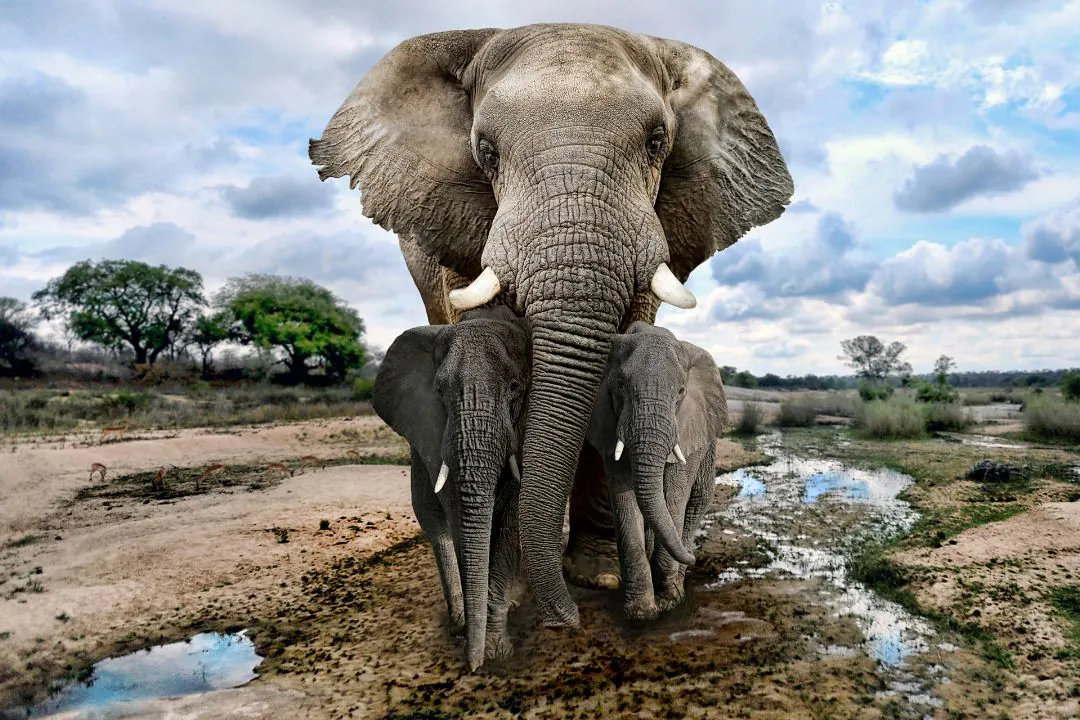
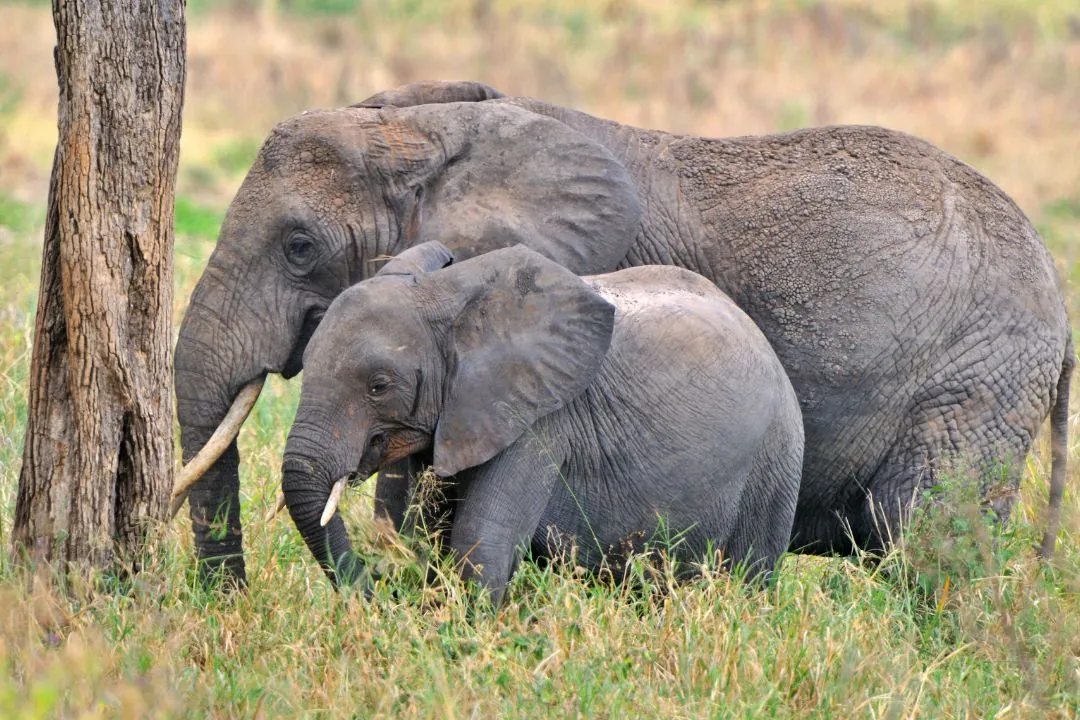
Manyara has a healthy elephant population, and family groups are often seen in the forest and woodland. Buffaloes, giraffes, zebras, wildebeest, impalas, waterbucks, bushbucks and warthogs are common, and the park is known for its large baboon troops, which are fascinating to watch. Leopards are present but rarely seen. Hippos crowd the hippo pool, and blue monkeys and vervet monkeys live in the forest.
Birds
With around 400 species recorded, Manyara is an excellent birding park and a great introduction to East African birds. Look out for flamingos, pink-backed and great white pelicans, yellow-billed storks, African fish eagles, crowned and silvery-cheeked hornbills in the forest, and many kingfishers, bee-eaters and weavers. The green season, from November to April, brings migrants from Europe and Asia.
The treetop walkway
Lake Manyara is home to Tanzania’s first treetop walkway, a series of suspension bridges about 370 metres long that rises gently from the forest floor into the canopy, reaching about 18 metres above the ground. Walking among the treetops gives you a completely different view of the forest: monkeys at eye level, hornbills flying past, and a chance to see insects, flowers and birds that are almost invisible from below. It takes about an hour, is suitable for most ages and fitness levels, and is booked as an optional extra.
Other activities at Lake Manyara
- Game drives: the main activity, in your private 4x4 safari vehicle. A half day covers the northern half of the park; a full day lets you reach the hot springs in the south.
- Walking safaris: short walks with a park ranger are possible in certain areas, including along the escarpment and near the lake shore.
- Canoeing: when the water level allows, canoe trips on the lake can be arranged through operators in the area.
- Cultural tours in Mto wa Mbu: the lively village at the park gate is home to people from many different ethnic groups. Walking tours visit banana farms, rice fields, local artists and markets, and you can try banana beer.
- Cycling: guided bicycle tours around Mto wa Mbu and along the lake shore outside the park are a fun way to explore.
Best time to visit Lake Manyara
- June to October (dry season): the best time for general wildlife viewing, with thinner vegetation and animals near water.
- November to April (green season): the park is at its most beautiful, with waterfalls on the escarpment, lush forest, flamingos on the lake in many years and excellent birdlife. Some tracks can be muddy in April and May.
Because Manyara is small and close to Arusha and Karatu, it is a good choice in any month. Check our homepage planner to see how your travel dates suit the rest of your trip, including the Serengeti, Kilimanjaro and Zanzibar.
How to get to Lake Manyara
The park gate lies at Mto wa Mbu, about 125 km west of Arusha, a drive of around two hours on a good tarmac road. It sits right on the main route to the Ngorongoro Crater and the Serengeti, so most visitors stop here on the way, often for an afternoon or a half-day game drive. Lake Manyara airstrip, on the escarpment above the park, has scheduled flights from Arusha and the Serengeti and is the nearest airstrip for the Ngorongoro highlands. Tarangire National Park is about an hour away by road.
Where to stay near Lake Manyara
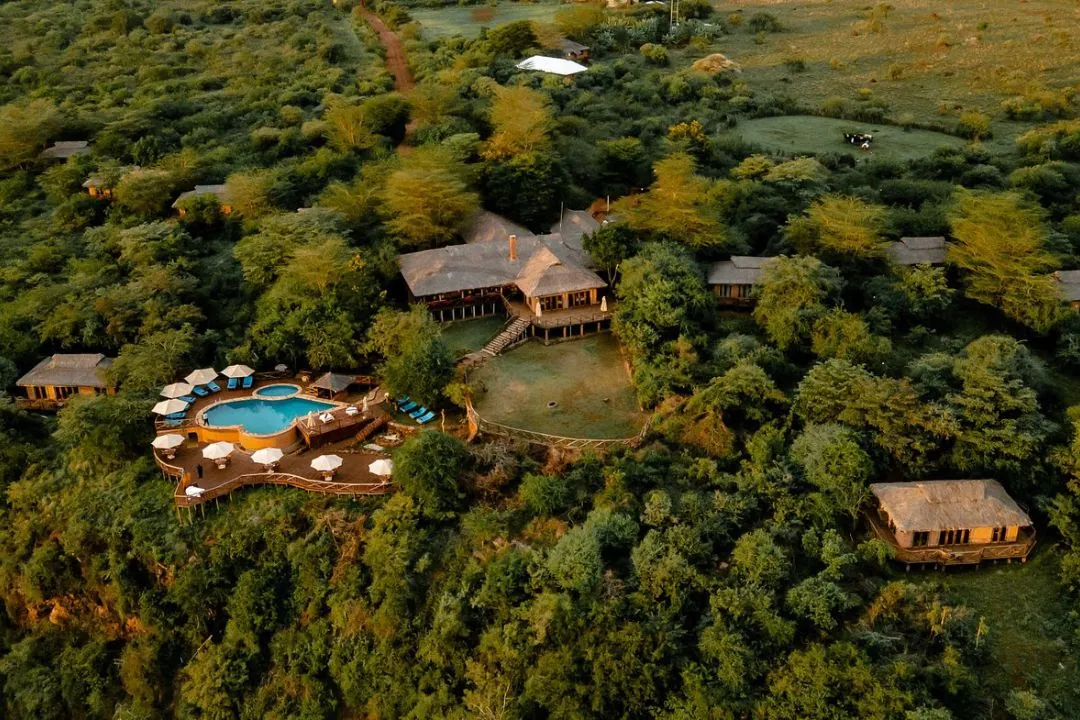
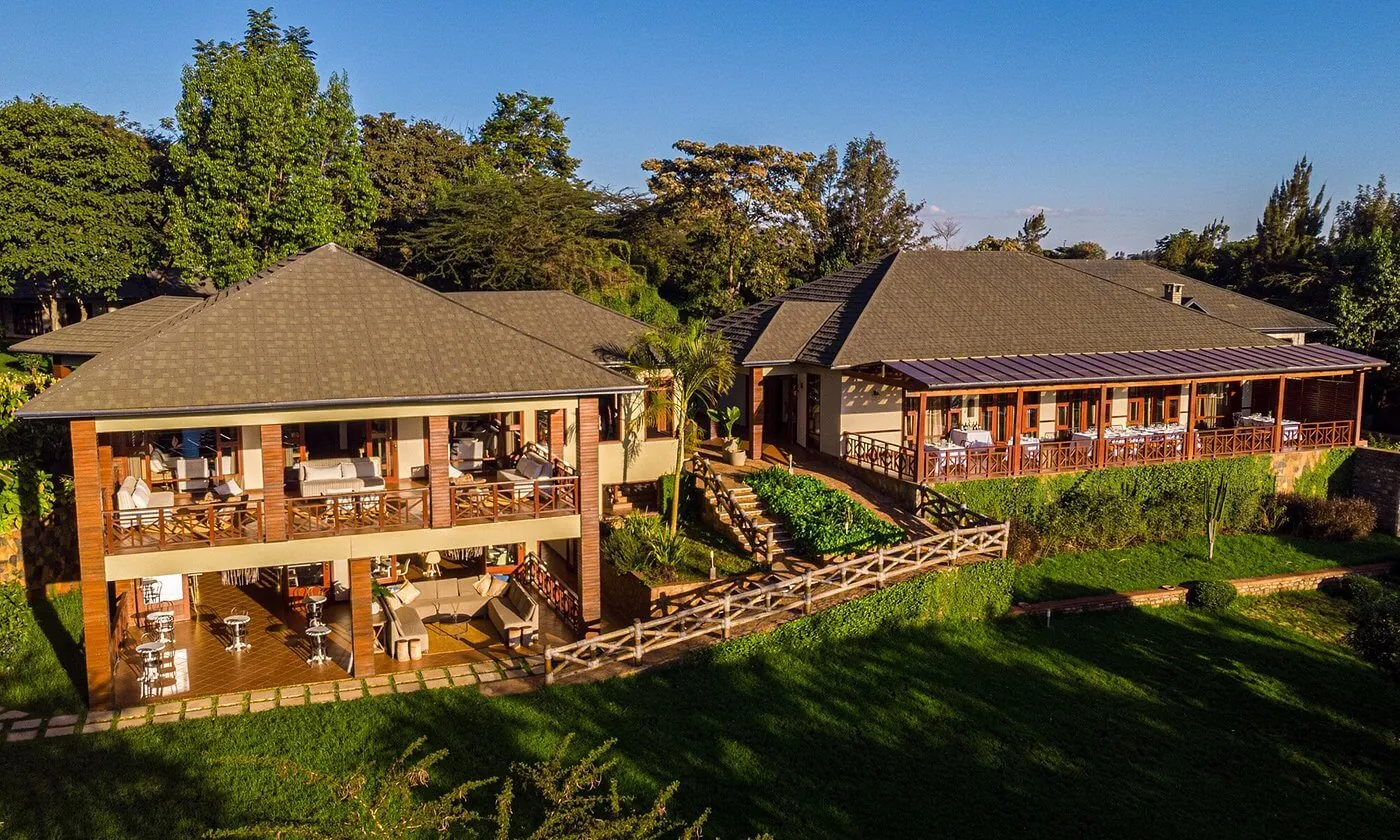
The best views are from the top of the Rift Valley escarpment, where several lodges look out over the lake and the park below. Others are in Mto wa Mbu or in the cooler Karatu highlands, 30 to 45 minutes away.
- Escarpment Luxury Lodge: 16 chalets on the edge of the Rift Valley, with an infinity pool overlooking the lake.
- Maramboi Tented Camp: a good-value tented camp between Lake Manyara and Tarangire, with palm-dotted grassland and lake views.
- Marera Valley Lodge and Country Lodge Karatu: comfortable highland lodges about halfway between Lake Manyara and the Ngorongoro Crater.
See all our favourite places to stay on the Where you’ll stay page.
Safaris that include Lake Manyara
- 3-Day Tanzania Wildlife Safari: Tarangire, Lake Manyara and the Ngorongoro Crater in three days.
- 4-Day Tanzania Wildlife Safari: the same three parks at a gentler pace.
- 8-Day Northern Circuit Safari: all the northern parks plus Lake Eyasi.
- 9-Day Wildebeest Migration Safari: the northern parks with extra time in the Serengeti.
- 10-Day Tanzania Safari & Zanzibar Holiday and 12-Day Honeymoon Safari & Zanzibar: safari followed by the beach.
A short history of Lake Manyara
The name Manyara is thought to come from the Maasai word for the euphorbia plant, which local people planted as living hedges around their homesteads. In the early 20th century the area was a popular hunting ground. Protection began with a game reserve in 1957, followed by national park status in 1960, and in 1974 a small area was added at the southern end. Lake Manyara became internationally known through the work of Iain Douglas-Hamilton, whose pioneering research on the park’s elephants in the late 1960s and early 1970s, described in his book Among the Elephants, helped shape modern elephant conservation.
Today the park is part of a much larger landscape. Wildlife moves between Lake Manyara and Tarangire through corridors such as Kwakuchinja, and protecting these routes from farming and settlement is one of the main conservation challenges in the region.
Mto wa Mbu: the village at the gate
Mto wa Mbu, which means “river of mosquitoes” in Swahili, is one of the most interesting small towns in northern Tanzania. Fed by streams from the escarpment, it is a green oasis of banana plantations, rice paddies and markets, and people from many of Tanzania’s ethnic groups have settled here to farm and trade. A guided cultural walk through the village is a relaxed way to spend a few hours: you can visit farms and local artists, taste fruit at the market, try the local banana beer, and learn how the community lives alongside the national park. It also makes a good stop for a lunch or a break on the long drive to the Serengeti.
Photography at Lake Manyara
Lake Manyara is a rewarding park for photographers because of its variety. The forest is dark, so a fast lens or a camera that copes well in low light helps with monkeys and elephants under the trees. The lake shore and floodplains offer wide, open scenes with the escarpment as a backdrop, and the late afternoon light across the water can be beautiful. Flamingos and pelicans make great subjects with a long lens, and the treetop walkway gives you unusual angles on the canopy. As always, ask your guide to position the vehicle with the light behind you.
The biosphere reserve and local communities
The Lake Manyara Biosphere Reserve covers not only the national park but also the surrounding farmland, forests and the lake beyond the park boundary. The idea of a biosphere reserve is to show how conservation and people’s livelihoods can support each other. Around Manyara, this means protecting the springs and forests on the escarpment that feed the park, keeping wildlife corridors open, and creating jobs through tourism. When you take a village walk, buy crafts from local artists or stay at a locally owned lodge, you are part of that balance.
Sample half day and full day at Lake Manyara
Half day (on the way to the crater)
Enter the park in the early afternoon after the drive from Arusha. Explore the groundwater forest for baboons, blue monkeys and elephants, visit the hippo pool and the lake shore, and look for lions in the acacia trees. Leave the park before dark and drive up the escarpment to your lodge in Karatu or on the rim, ready for the Ngorongoro Crater the next morning.
Full day
Start early with the forest and the treetop walkway, then continue south through the woodland and floodplains with a picnic lunch, reaching the Maji Moto hot springs in the afternoon. Return slowly along the lake shore for flamingos and water birds in the late light.
Lake Manyara for families and first-time visitors
Manyara’s short distances, good tracks and variety of animals make it ideal for children and for anyone on their first safari. Baboons, monkeys, elephants, giraffes and hippos are easy to spot, the treetop walkway is a highlight for young explorers, and you can be back at your lodge pool by mid-afternoon. It is also a gentle introduction for travellers who are nervous about long hours in a vehicle.
Practical tips
- Bring binoculars for birds and for lions resting high in the trees.
- Keep windows up near baboons. The baboons are bold, and they will grab food from an open vehicle.
- Mosquito protection: the lakeshore and forest are in a malaria area; use repellent and speak to your doctor about prevention.
- Combine wisely: Manyara is perfect for an afternoon on your way between Tarangire and the Ngorongoro highlands.
What to pack for Lake Manyara
Lake Manyara lies low in the Rift Valley and is usually warm, so pack light, breathable clothing in neutral colours, a sun hat, sunglasses and sunscreen. A light fleece is useful for early mornings and for the evening if you stay up on the escarpment or in Karatu, where it is noticeably cooler. Bring insect repellent for the forest and lake shore, comfortable shoes for the treetop walkway, and a pair of binoculars for every traveller if you can.
Who will love Lake Manyara?
- Birdwatchers, for the variety of forest, woodland and water birds in a small area.
- Families, for short distances, monkeys, baboons and the treetop walkway.
- Photographers, for the Rift Valley escarpment and the light across the lake.
- Travellers short on time, who want a rewarding game drive on the way to the Ngorongoro Crater without a long detour.
Plan your visit to Lake Manyara
Whether you want a short stop on your way to the crater or a full day with the treetop walkway and a canoe trip, we will plan it around your safari. Send us an enquiry and a travel expert in Arusha will reply within 24 hours.