Why the Serengeti is Africa’s most famous safari
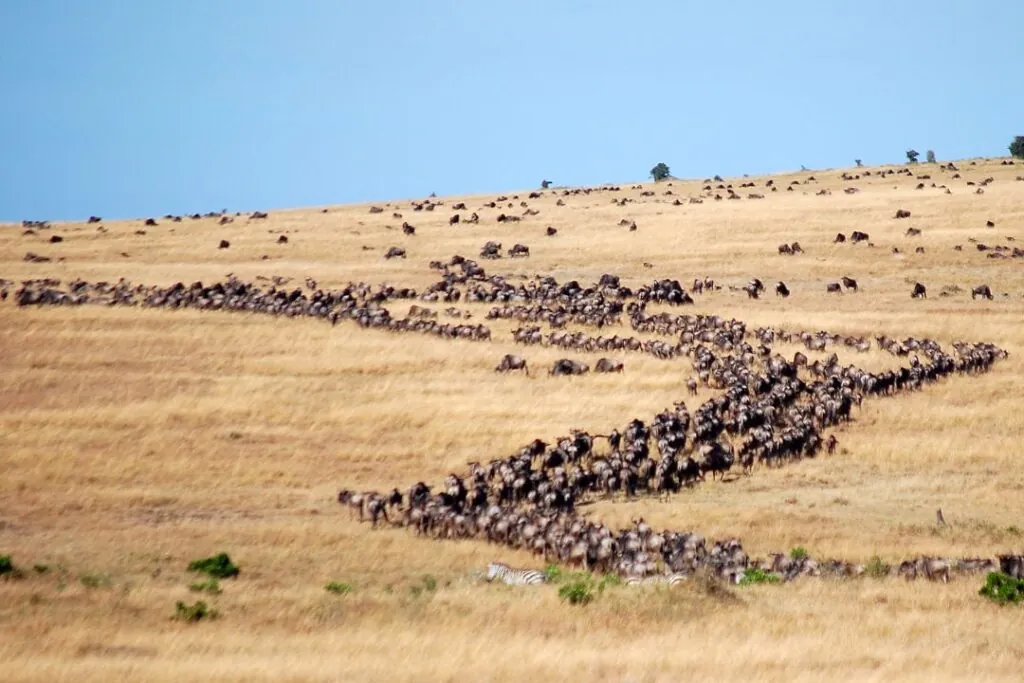
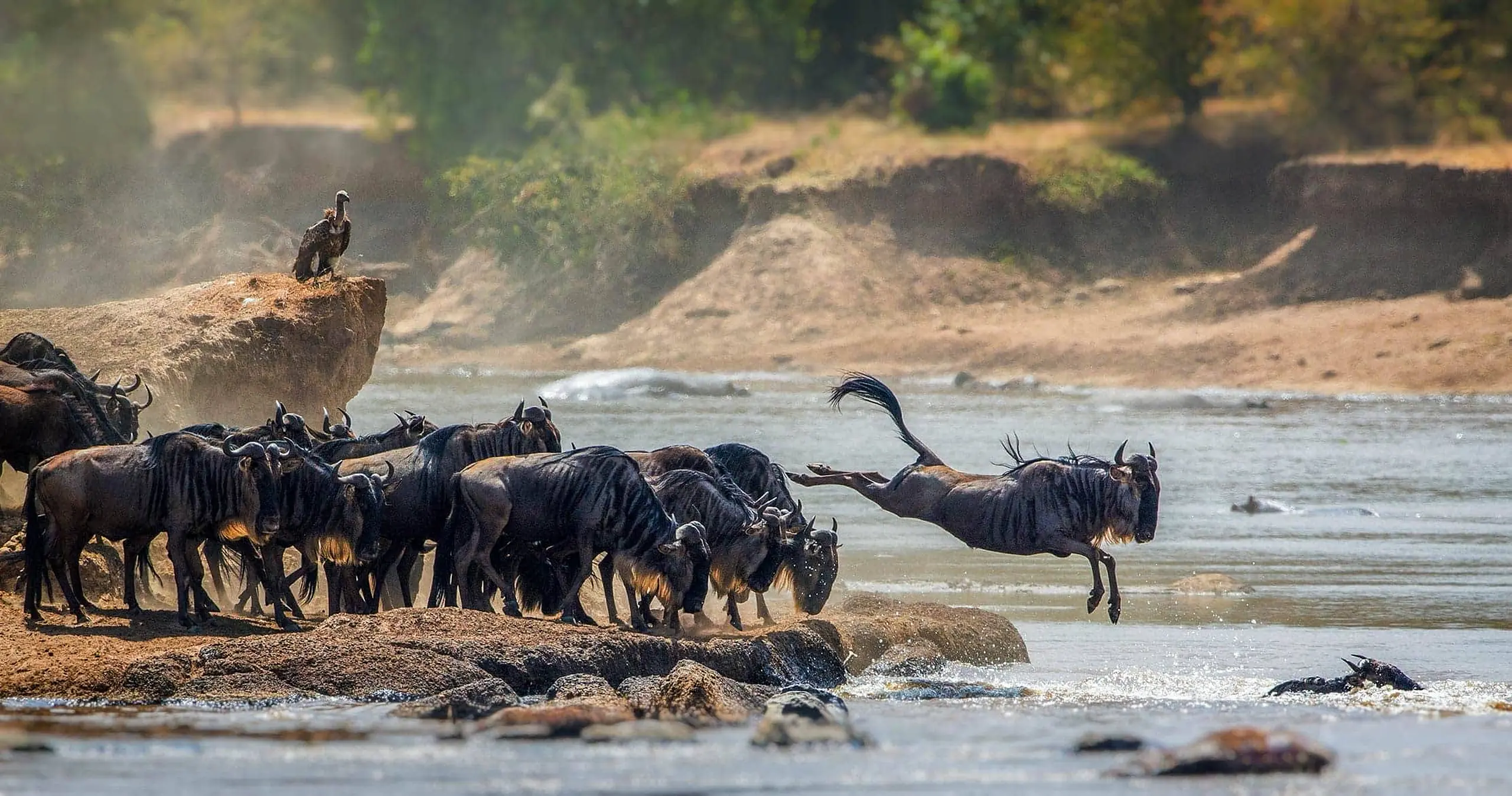
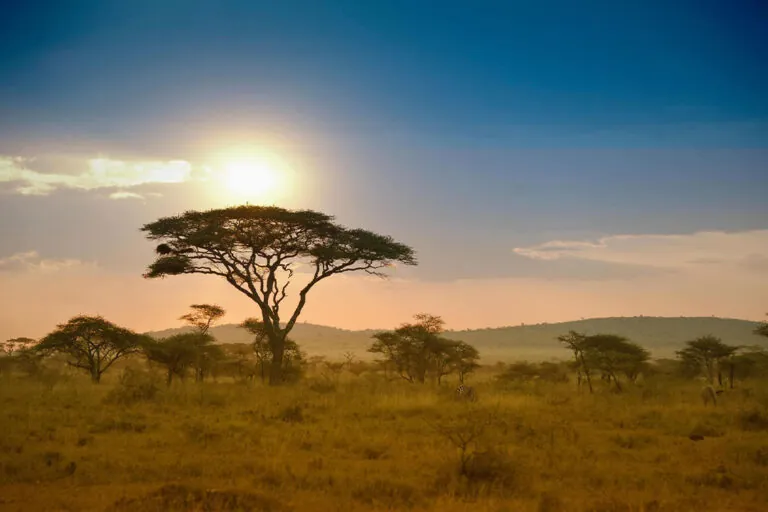
Few places on Earth live up to their reputation the way the Serengeti does. Stretching across 14,763 square kilometres of northern Tanzania, Serengeti National Park protects some of the finest grassland and acacia savannah in Africa, and it is the stage for the largest overland movement of animals on the planet: the Great Migration. Every year well over a million wildebeest, joined by hundreds of thousands of zebras and gazelles, travel in a vast loop between the southern plains of Tanzania and the Maasai Mara in Kenya, following the rain and the fresh grass it brings.
The park was established in 1951, making it Tanzania’s oldest national park, and it was inscribed as a UNESCO World Heritage Site in 1981. Its name comes from the Maa word siringet, usually translated as “the place where the land runs on forever”, and anyone who has stood on the southern short-grass plains in February, with herds reaching to every horizon, will understand why.
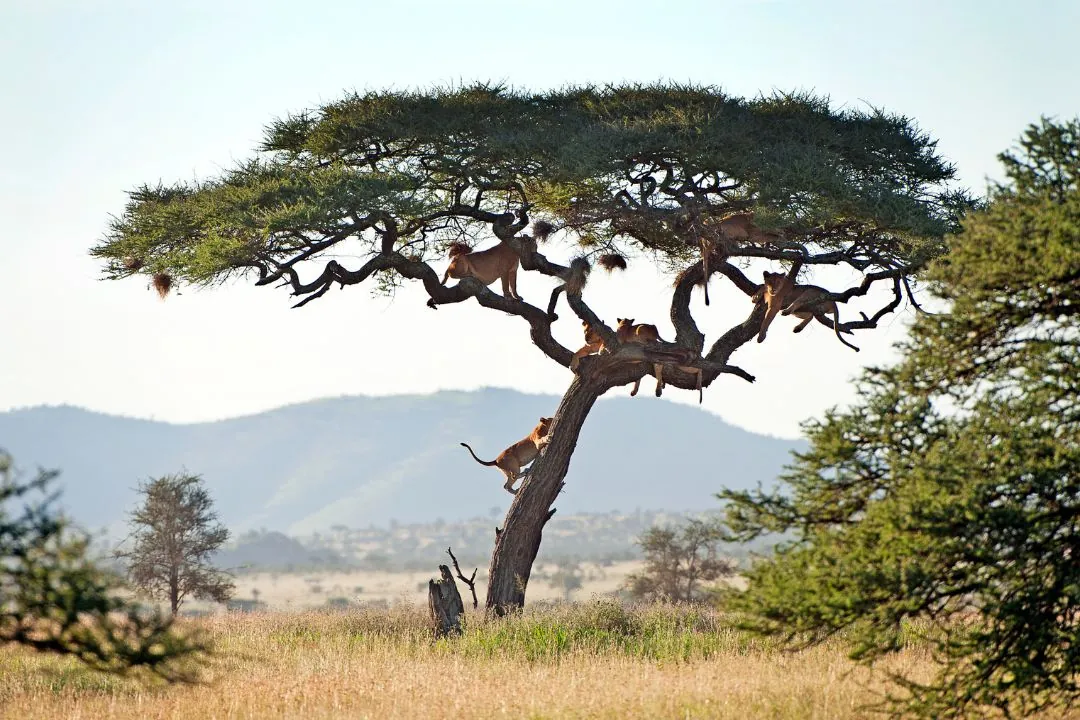
But the Serengeti is far more than the migration. Lions, leopards and cheetahs are present all year, and the park has one of the highest densities of large predators anywhere in Africa. Granite outcrops called kopjes rise from the plains like islands, sheltering lion prides, hyraxes and klipspringers. Rivers lined with fig and sausage trees cut through the north and west. Whatever month you travel, there is outstanding wildlife somewhere in the park; the key is knowing where to stay. That is exactly what we help you decide when we plan a private Tanzania safari.
The Serengeti at a glance
- Size: 14,763 km², roughly the size of Northern Ireland or the US state of Connecticut.
- Protected since: 1951 as a national park; UNESCO World Heritage Site since 1981.
- Neighbours: the Ngorongoro Conservation Area to the south-east, the Maasai Mara (Kenya) to the north, and the Grumeti, Ikorongo and Maswa reserves and Loliondo to the west and east.
- Headquarters: Seronera, in the centre of the park, which also has the main airstrip and the Serengeti Wildlife Research Centre.
- Getting there: about an hour by light aircraft from Arusha, or a scenic full day by road via Lake Manyara and the Ngorongoro highlands.
- Best known for: the Great Migration, big cats, kopjes, hot-air balloon safaris and endless open plains.
The Great Migration, month by month
The migration is not a single event but a continuous, year-round journey. The herds follow the rains, so the timing shifts a little every year. The pattern below is what we plan around; on our homepage you can follow it on our interactive migration map, and our article Following the Great Migration, month by month goes into more depth.
January to March: calving on the southern plains
After the short rains, the herds gather on the nutritious short-grass plains of the southern Serengeti and the Ndutu area, which lies just inside the Ngorongoro Conservation Area. In February, several hundred thousand calves are born within just a few weeks. Predators follow closely: this is one of the best times of year to see lions and cheetahs hunting, and the open plains make sightings easy. It is a wonderful, often underrated time to visit, with warm weather, green landscapes and fewer vehicles than in the high season.
April and May: the long rains
The long rains arrive and the herds begin moving north-west through the central Serengeti around Seronera and Moru. Some seasonal camps close, roads can be muddy, and afternoon storms are common. In return, the park is lush and quiet, the light is soft for photography, and lodge rates are often lower. If you are flexible and do not mind some rain, this “green season” can be very rewarding.
June and July: the Western Corridor and the Grumeti River
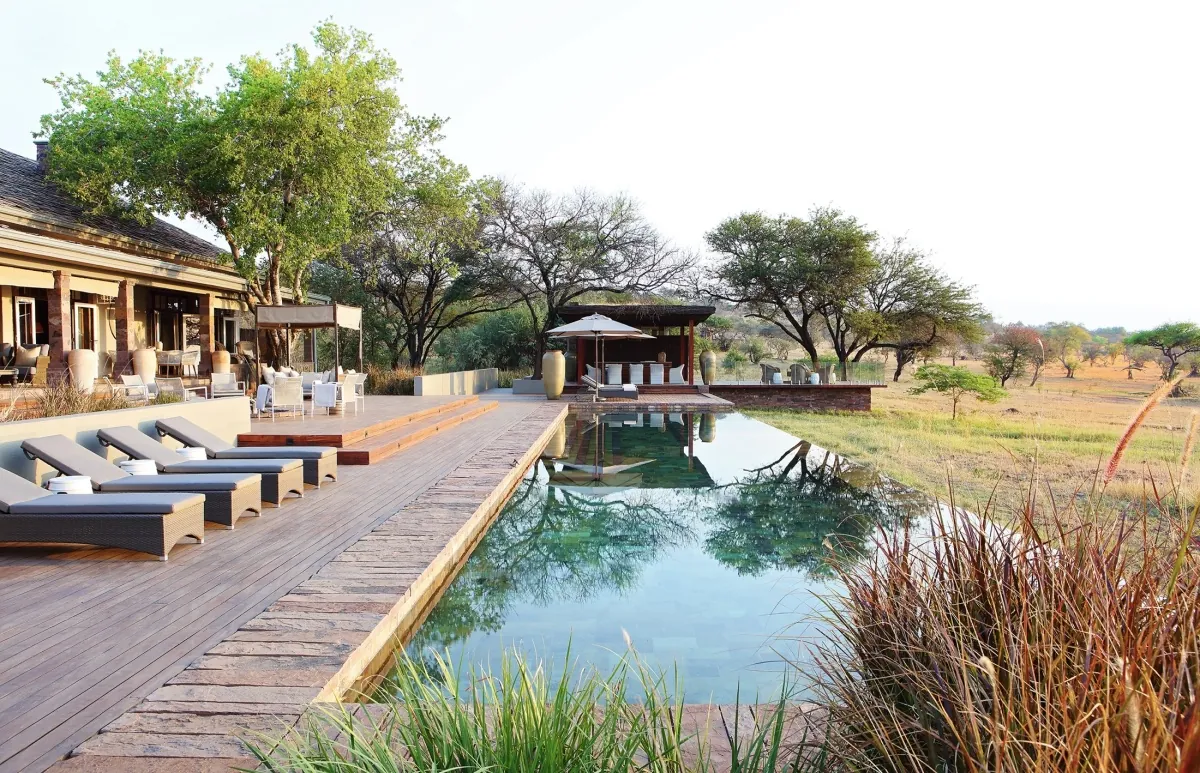
As the dry season begins, large columns of wildebeest push into the Western Corridor, a long finger of the park reaching towards Lake Victoria. They must cross the Grumeti River, home to some of Africa’s largest crocodiles. This is also the time of the rut, when the plains are loud with the grunting of territorial bulls. Private reserves such as Singita Grumeti sit right on this route.
July to October: Mara River crossings in the north
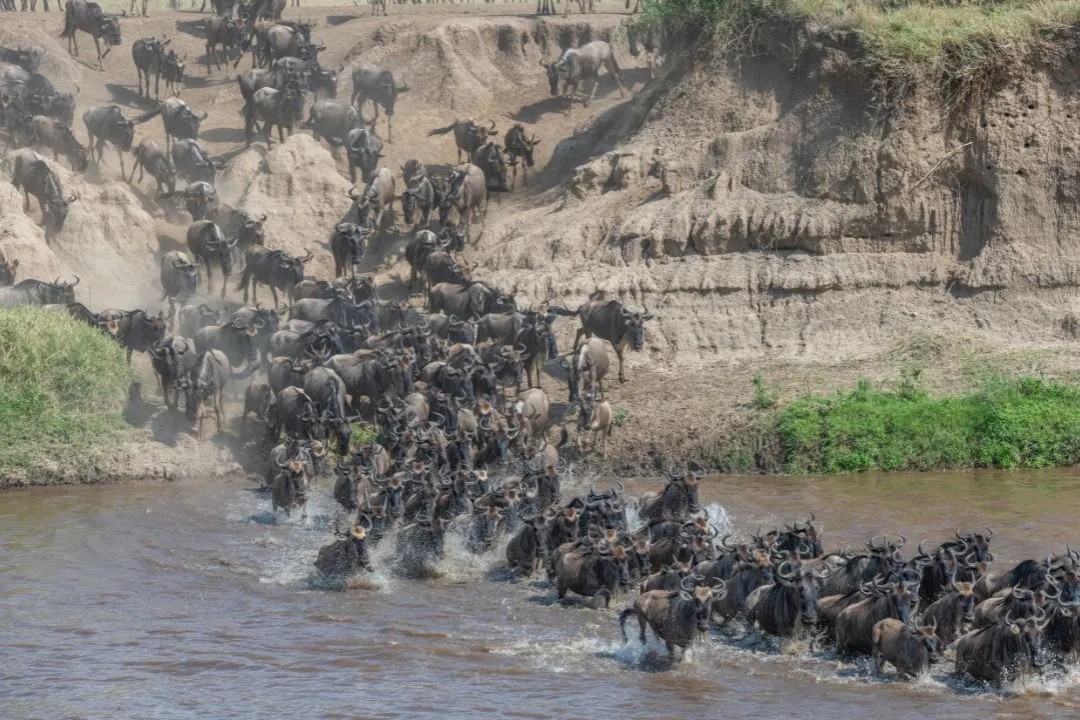
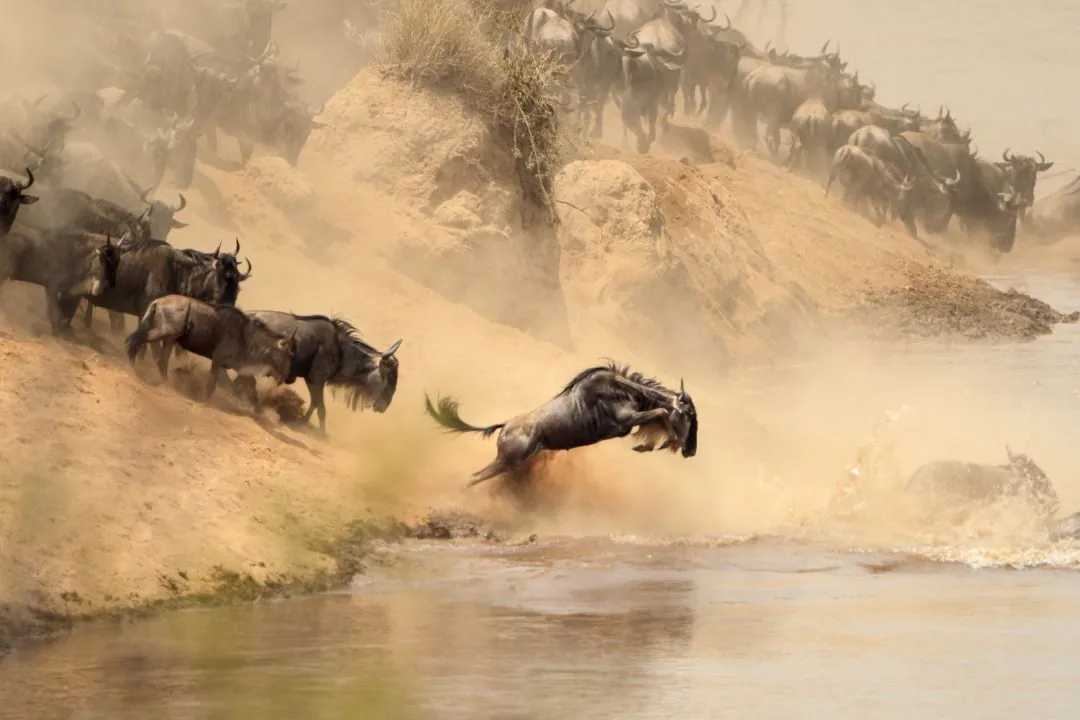
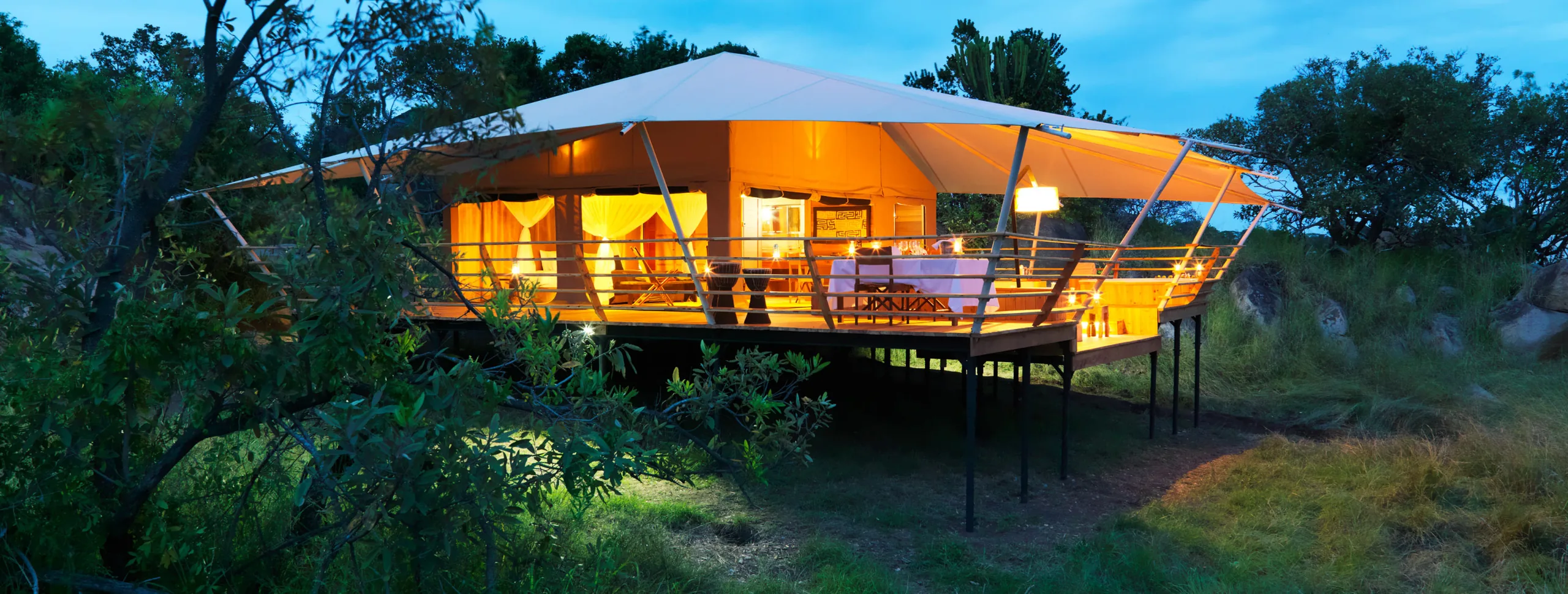
By July the herds reach the northern Serengeti around Kogatende and Lamai, and they cross the Mara River back and forth, sometimes several times in a week. These river crossings are the scenes most people imagine when they think of the migration: thousands of animals plunging down steep banks while crocodiles wait below. To see them you need to stay in the far north. Camps such as Serengeti Bushtops put you within reach of the river, and light aircraft land at Kogatende airstrip.
November and December: heading south again
With the short rains, the herds stream south through the eastern Serengeti and the Lobo area, reaching the southern plains again by December, ready for the next calving season. This is a good time for travellers who want to see big herds on the move without the busy months of the northern crossings.
The main areas of the Serengeti
The Serengeti is so large that it is best understood as several regions, each with its own character and its best season. Choosing the right area for your travel month makes a bigger difference to your safari than almost any other decision.
Central Serengeti (Seronera)
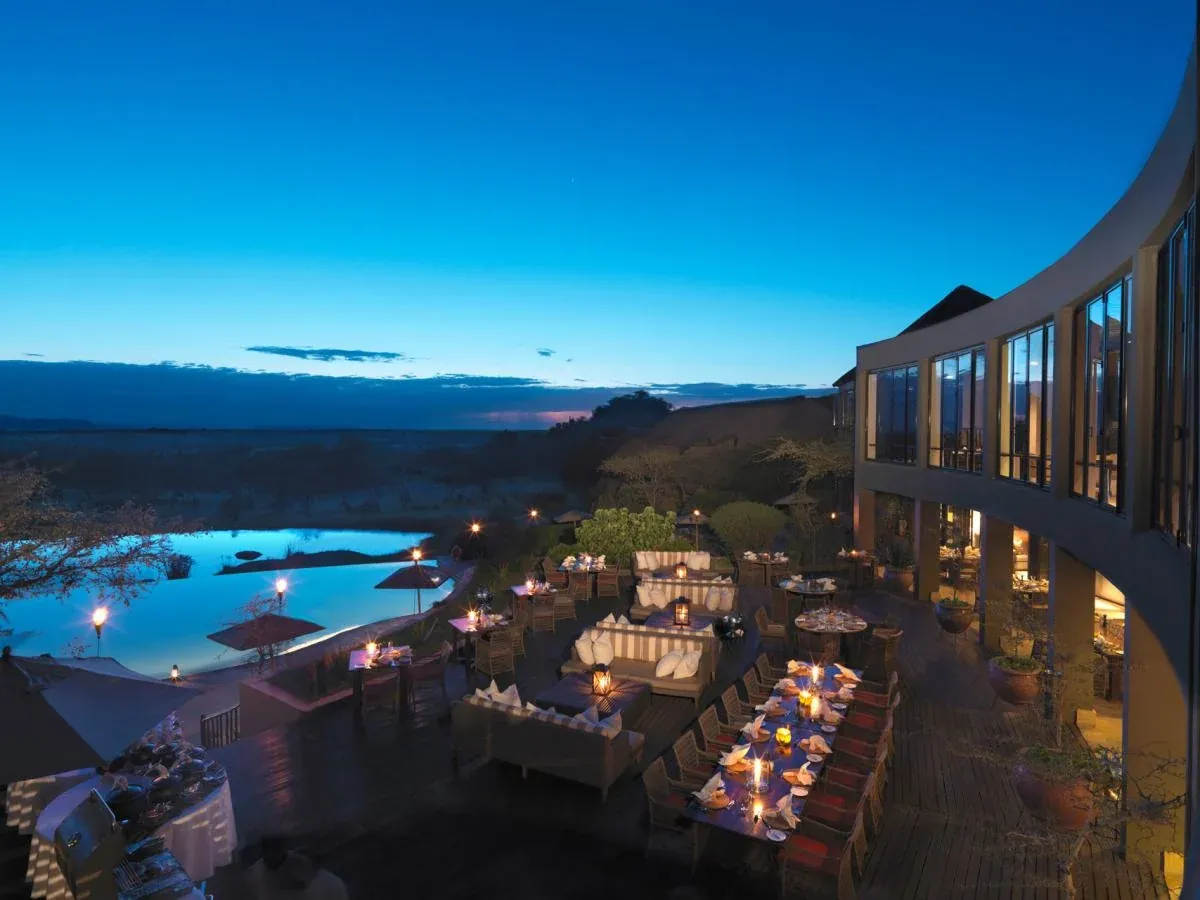
The Seronera valley, in the heart of the park, is fed by a permanent river and has excellent resident wildlife all year. It is one of the best places in Africa for leopards, which rest in the sausage and acacia trees along the river, and for lions, which often use the kopjes as lookouts. Because it is good year-round and close to the main airstrip, the centre is where most first-time visitors stay. Lodges such as Four Seasons Safari Lodge Serengeti are based here. The trade-off is that the area can be busier than the more remote regions.
Southern Serengeti and Ndutu
The southern short-grass plains, together with the Ndutu area just across the border in the Ngorongoro Conservation Area, are the place to be from roughly December to March for the calving season. Ndutu has one advantage over the national park: off-road driving is permitted in parts of the area, which allows guides to position vehicles well for predator sightings. Outside the calving months the southern plains are dry and much quieter.
Western Corridor
Stretching west towards Lake Victoria, the Western Corridor is wooded, hilly and crossed by the Grumeti and Mbalageti rivers. It comes alive in June and July when the migration passes through, and the river crossings here are less crowded than those on the Mara. Bordering private concessions offer exclusive game drives and activities that are not allowed in the national park itself.
Northern Serengeti (Kogatende, Lamai and Lobo)
The north is rolling, wooded and remote, with granite hills and the Mara River running along the border with Kenya. From about July to October it is the epicentre of the migration river crossings; outside those months it is wonderfully quiet, with good resident game including elephants, buffaloes and large lion prides. The Lobo area, in the north-east, is particularly scenic and sees the herds pass through in October and November.
Eastern Serengeti
The eastern plains, around the Gol Kopjes and towards Loliondo, are dotted with granite outcrops and are especially good for cheetahs, which favour open country. Wildlife numbers rise sharply when the migration passes through on its way south.
Wildlife you can see in the Serengeti
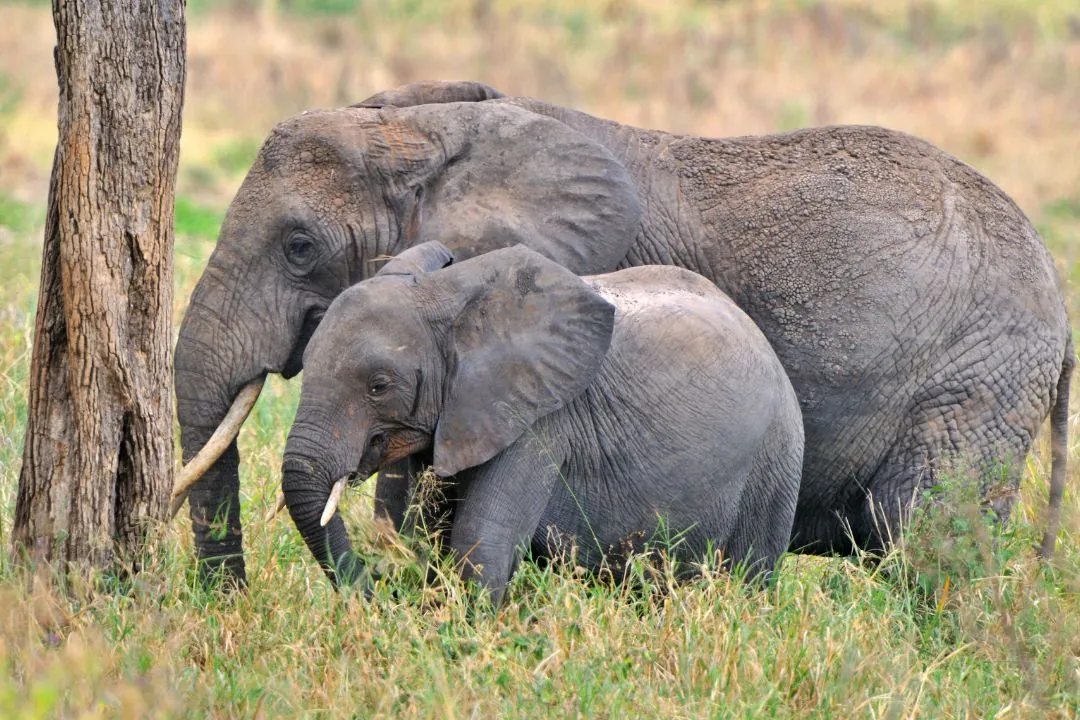
The Serengeti is home to four of the Big Five: lion, leopard, elephant and buffalo. Black rhinos are present but very rare and hard to find here; the best place in northern Tanzania to see rhino is the Ngorongoro Crater, which is why most safaris combine the two.
Predators
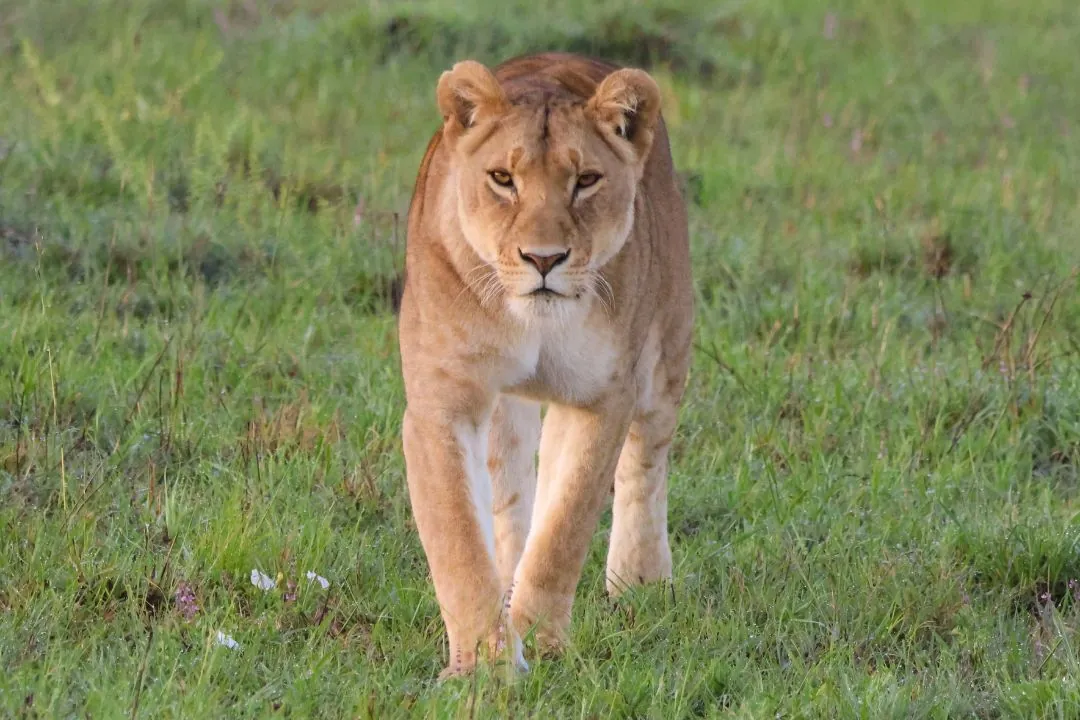
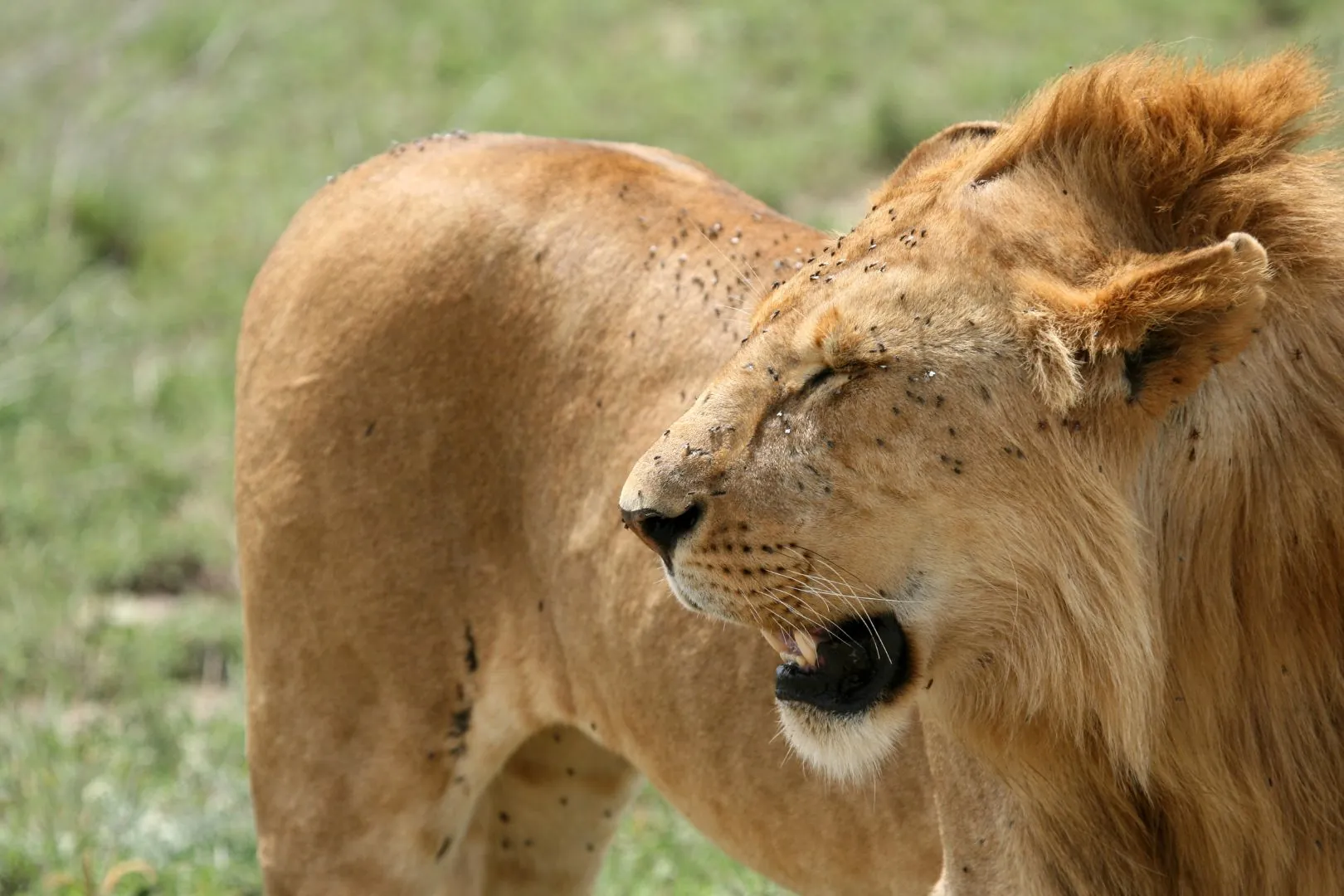
Lions are the stars of the Serengeti. The park holds one of the largest lion populations in Africa, and the long-running Serengeti Lion Project has studied its prides for decades. Cheetahs thrive on the open southern and eastern plains, leopards are most often found in the Seronera valley, and spotted hyenas are common everywhere. With luck you may also see servals, caracals, bat-eared foxes, golden and black-backed jackals and, very occasionally, African wild dogs.
Herbivores
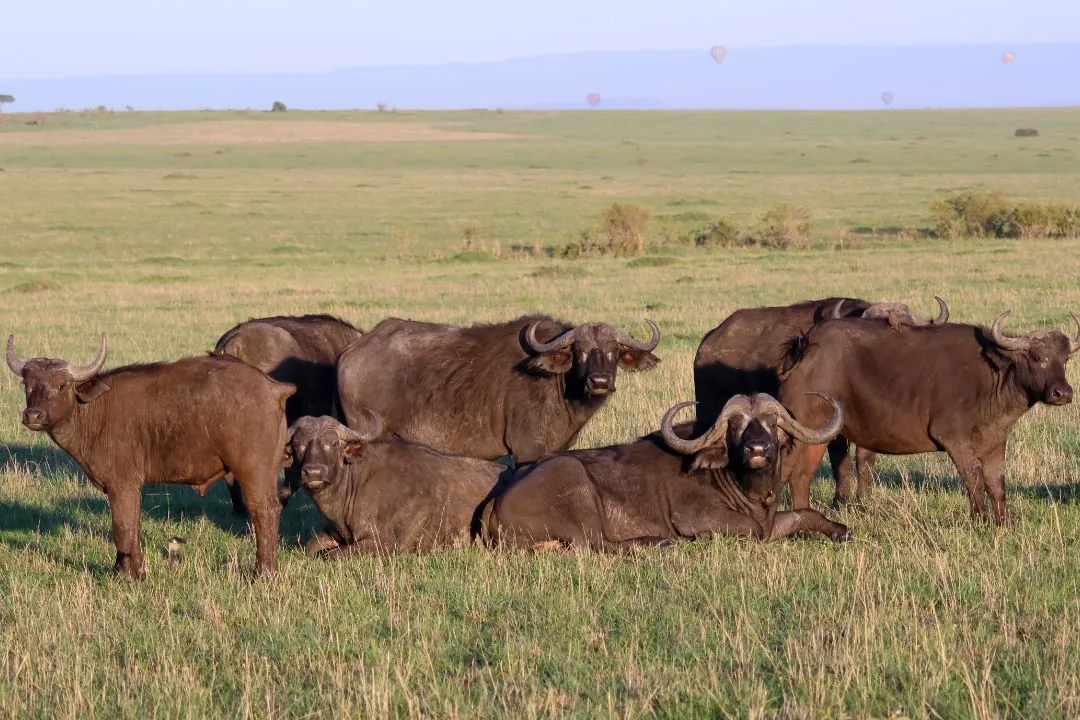
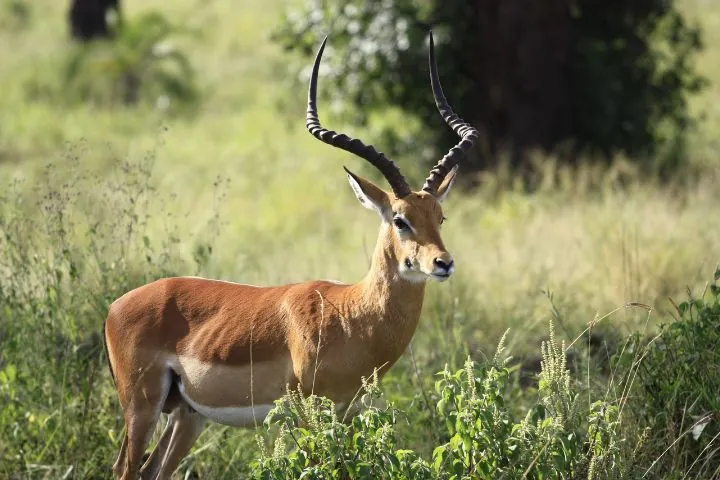
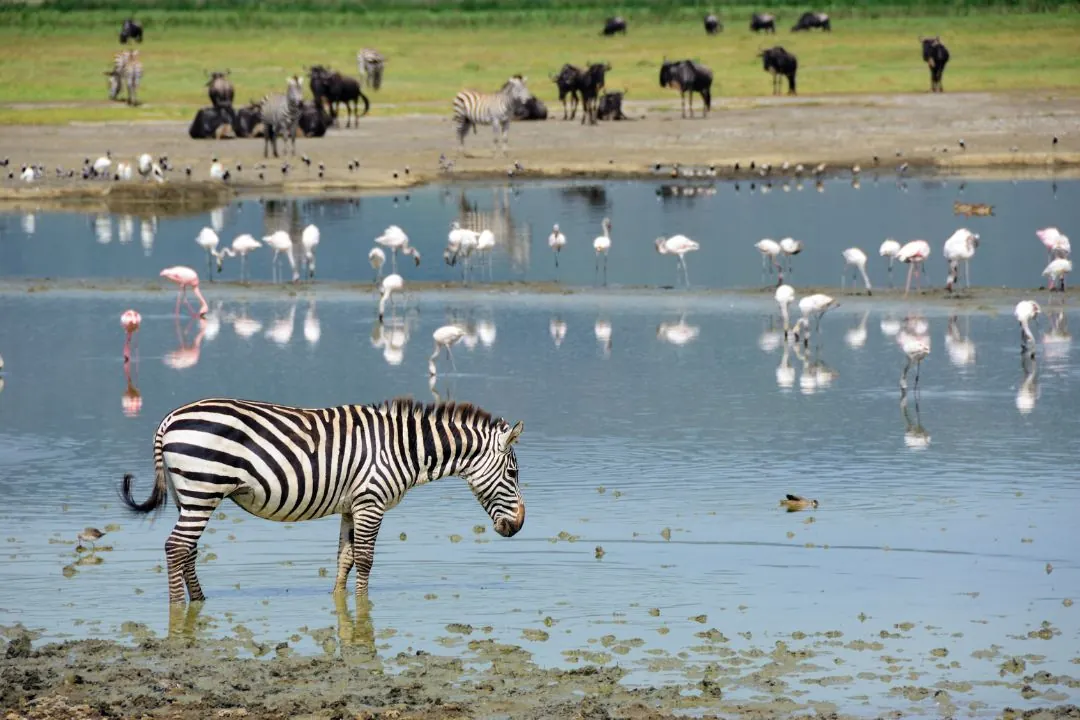
Beyond the migrating wildebeest, zebras and Thomson’s and Grant’s gazelles, the park supports large numbers of resident animals: Maasai giraffes, topis, kongonis (Coke’s hartebeest), elands, impalas, waterbucks, warthogs, buffaloes and elephants. Hippos crowd the pools of the Seronera, Grumeti and Mara rivers, and Nile crocodiles patrol them.
Birds
Birdwatchers will find more than 500 species recorded in the Serengeti ecosystem, from ostriches and kori bustards (among the heaviest flying birds in the world) to secretary birds, lilac-breasted rollers, grey-crowned cranes and a remarkable variety of raptors and vultures. Several species are found only in this region, such as the grey-breasted spurfowl and the Fischer’s lovebird.
Best time to visit the Serengeti
There is no bad time to visit the Serengeti, only different experiences. The main decision is what you most want to see, and when you can travel.
- June to October (dry season): the classic safari season, with clear skies, thin vegetation and animals gathered near water. This is the time for the Mara River crossings in the north (July to October). It is also the busiest and most expensive period, so book early.
- January to March (calving season): superb predator action on the southern plains and Ndutu, warm weather and green scenery. A favourite of photographers and returning visitors.
- November and December (short rains): short afternoon showers, herds moving south through the east and Lobo, and good value.
- April and May (long rains): the quietest and greenest time, with lower rates; some camps close and some roads become difficult.
Our month-by-month planner on the homepage shows how each month suits a safari, a Kilimanjaro climb and the beaches of Zanzibar, which helps if you want to combine all three.
Things to do in the Serengeti
Game drives
Most of your time will be spent on game drives in a private 4x4 safari vehicle with a pop-up roof, with your own professional driver-guide. Early mornings and late afternoons are the most rewarding times, when animals are active and the light is beautiful. Full-day drives with a picnic lunch let you reach more remote areas or wait patiently at a river crossing.
Hot-air balloon safaris
Floating silently over the plains at sunrise is one of the great safari experiences. Balloon flights operate in the central Serengeti year-round and in other areas seasonally, and usually end with a champagne breakfast in the bush. They are booked as an optional extra and fill up quickly in the high season, so tell us early if you would like one.
Walking safaris
Short guided walks with an armed ranger are possible in some areas and in the private concessions bordering the park. Walking changes how you see the bush: you notice tracks, insects, plants and birds that are easy to miss from a vehicle.
Cultural visits
Outside the national park, visits to Maasai communities can be arranged on the way to or from the Serengeti, usually in the Ngorongoro highlands. For a deeper cultural experience, consider adding a day at Lake Eyasi to meet the Hadzabe and Datoga peoples.
How to get to the Serengeti
The Serengeti lies roughly 320 kilometres north-west of Arusha. There are two ways to get there, and many of our itineraries use both.
By road
The classic road route leads from Arusha past Lake Manyara and the town of Karatu, climbs into the Ngorongoro highlands, follows the crater rim and descends to the Serengeti plains at Naabi Hill Gate. It is a long but spectacular day, and most travellers break the journey with a night near the crater or in Karatu. Driving lets you see the changing landscapes and keeps the same guide and vehicle with you for the whole safari.
By air
Scheduled light aircraft fly daily from Arusha and Kilimanjaro to airstrips across the park, including Seronera in the centre, Kogatende in the north and Ndutu in the south. Flights take about an hour from Arusha, saving a long drive and making it easy to combine distant regions. A popular option is to drive in and fly out, or to fly between the central and northern Serengeti.
Where to stay in the Serengeti
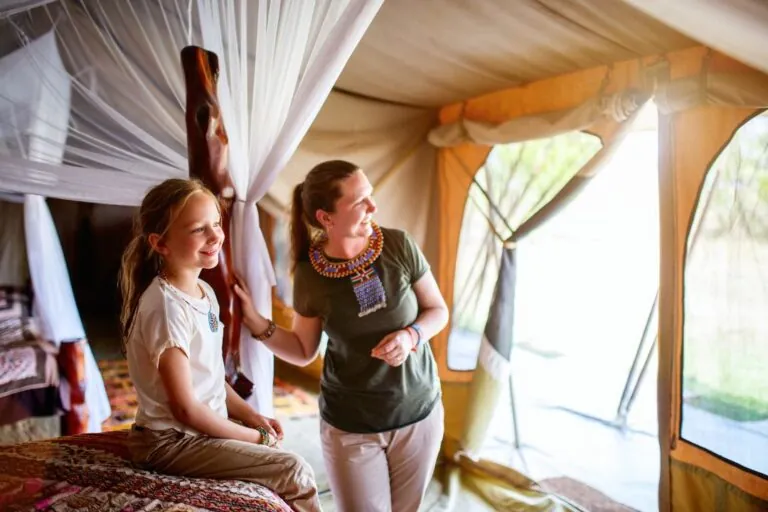
Accommodation ranges from large lodges with pools and spas to small tented camps and mobile camps that move with the migration. The right choice depends mostly on your travel month and the area you want to be in, and secondly on your budget and style.
- Central Serengeti: best for year-round wildlife and first-time visitors. See Four Seasons Safari Lodge Serengeti, built beside a waterhole visited by elephants.
- Northern Serengeti: for the Mara River crossings from July to October. See Serengeti Bushtops, with private hot tubs on every tent deck.
- Western Corridor and Grumeti: for privacy and the June–July crossings. See Singita Grumeti, a 350,000-acre private reserve.
- Southern plains and Ndutu: seasonal camps for the calving season from December to March.
You can browse all the places we like to book on our Where you’ll stay page, and we will always match your camps to the migration for your dates.
How many days do you need in the Serengeti?
We recommend at least three nights in the Serengeti, and ideally four or more if you want to explore two different regions or follow the migration. Two nights is possible on a shorter road safari, but much of that time is spent travelling in and out. Some ideas:
- 5 days: our 5-Day Wildebeest Migration Safari focuses on the Serengeti and the Ngorongoro Crater.
- 6 days: the 6-Day Ultimate Family Safari adds Tarangire and keeps driving times family-friendly.
- 8–9 days: the 8-Day Northern Circuit Safari and the 9-Day Wildebeest Migration Safari cover the whole northern circuit at a relaxed pace.
- 10–12 days: combine the Serengeti with the beaches of Zanzibar on our 10-Day Safari & Zanzibar Holiday or the 12-Day Honeymoon Safari & Zanzibar.
Combining the Serengeti with other destinations
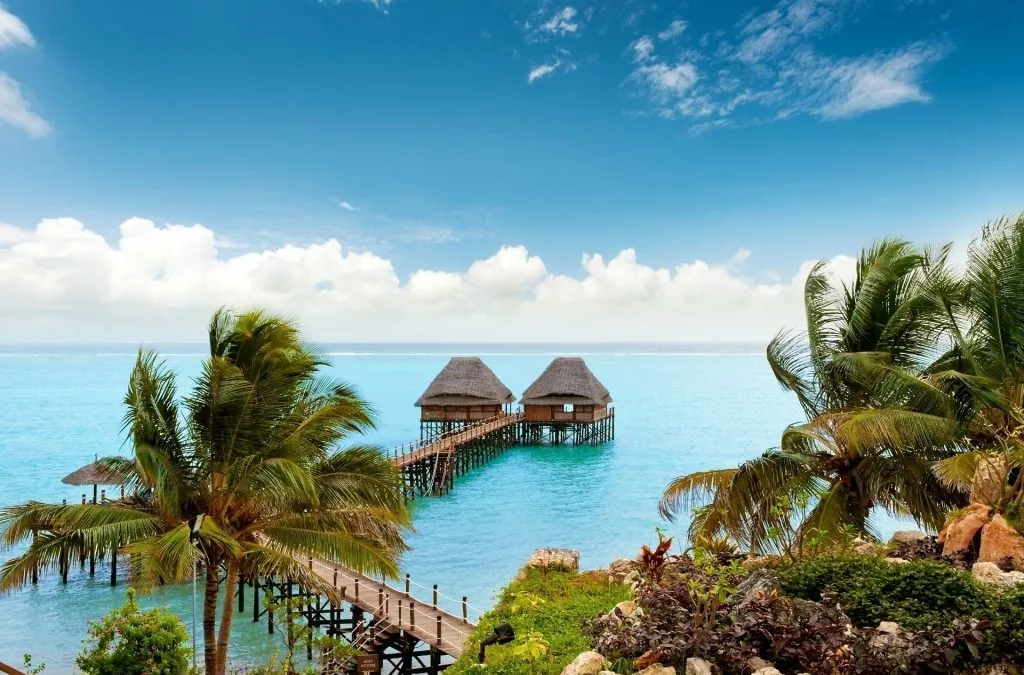
The Serengeti sits at the far end of Tanzania’s northern safari circuit, so it combines naturally with the parks you pass on the way. A classic route runs from Arusha to Tarangire for elephants and baobabs, then to Lake Manyara or the Karatu highlands, on to the Serengeti, and back via the Ngorongoro Crater. Many travellers also climb Mount Kilimanjaro before their safari, or finish with a few days of rest on Zanzibar; there are direct flights from the Serengeti airstrips to the island.
Practical tips for your Serengeti safari
- Pack layers: mornings and evenings can be cool, especially in open vehicles and on balloon flights, while middays are warm.
- Neutral colours: khaki, olive and beige are best on game drives; avoid dark blue and black, which can attract tsetse flies in wooded areas.
- Binoculars and camera: a pair of binoculars for every traveller makes a real difference, and a zoom lens of 200 mm or more is ideal for wildlife photography.
- Health: the Serengeti is a malaria area; speak to your doctor about prevention before you travel.
- Park rules: in the national park vehicles must stay on the tracks, and game drives finish before dark. Your guide knows the rules and the best places to go.
- Light-aircraft luggage: if you fly between airstrips, luggage is usually limited to a soft bag of about 15 kg per person.
Plan your Serengeti safari with us
Every safari we run is private and planned around your dates, interests and budget. Tell us when you would like to travel and we will suggest where the herds are likely to be, which camps suit you best, and how to combine the Serengeti with the rest of Tanzania. Send us an enquiry or message us on WhatsApp, and a travel expert in Arusha will reply within 24 hours.