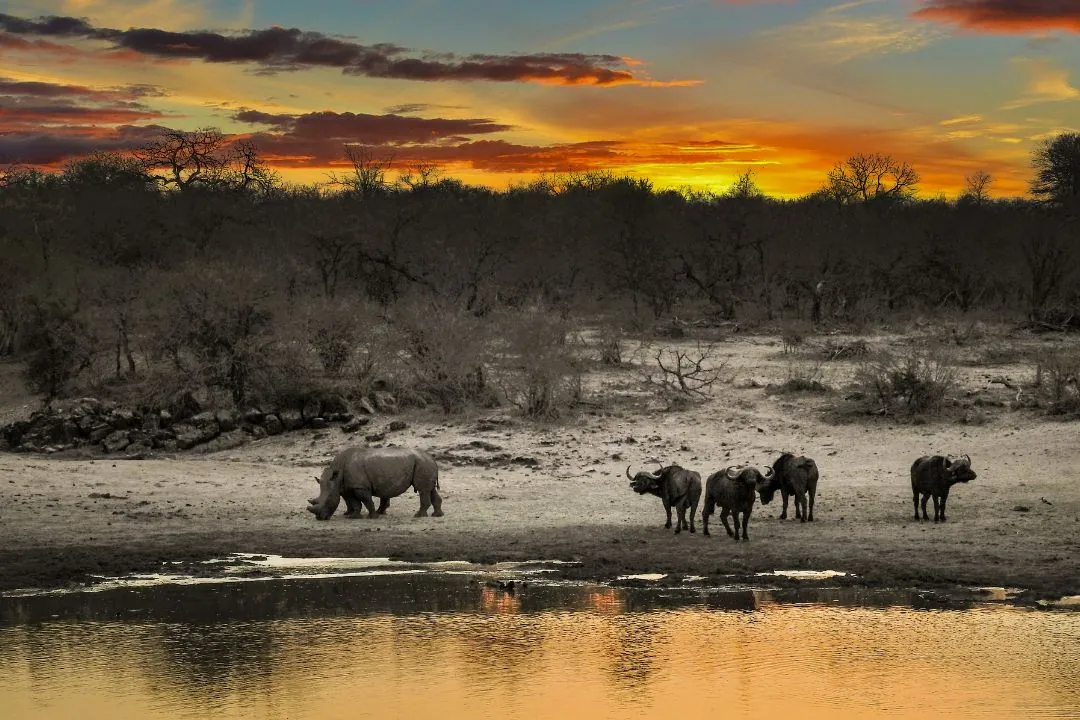
Tanzania’s comeback wilderness
Few visitors have heard of Mkomazi, and that is exactly what makes it special. Stretching along the Kenyan border in the shadow of the Pare and Usambara mountains, Mkomazi National Park protects about 3,245 square kilometres of dry savannah, bushland and rocky hills, and it adjoins Kenya’s vast Tsavo West National Park to form one of the largest protected ecosystems in East Africa. It is wild, quiet and beautiful, and its story is one of the most remarkable conservation recoveries on the continent.
Protected as the Mkomazi and Umba game reserves since 1951, the area was badly degraded by the 1980s, with wildlife numbers falling and poaching widespread. In 1988–1989 the Tanzanian government invited the George Adamson Wildlife Preservation Trust, led by conservationist Tony Fitzjohn, to help restore it. Over the following decades they rebuilt roads and water supplies, supported anti-poaching work and local communities, and set up two internationally known programmes: a fenced sanctuary for the critically endangered black rhino and a breeding and reintroduction project for the endangered African wild dog. In 2008, recognising the success of this work, Mkomazi was upgraded to a national park under Tanzania National Parks (TANAPA).
Today Mkomazi offers something rare in northern Tanzania: a real sense of wilderness, very few other vehicles, unusual dry-country wildlife, and the chance to learn first-hand about rhino conservation. It combines beautifully with a Kilimanjaro climb, a stay in the Usambara Mountains or a few days on the coast.
Mkomazi at a glance
- Size: about 3,245 km²; together with Tsavo West it forms a cross-border ecosystem.
- Protected: game reserves since 1951; national park since 2008.
- Location: Kilimanjaro and Tanga regions, along the Kenyan border, between the Pare and Usambara mountains.
- Landscape: semi-arid savannah, acacia and commiphora bush, granite inselbergs and seasonal rivers, with mountain views on clear days.
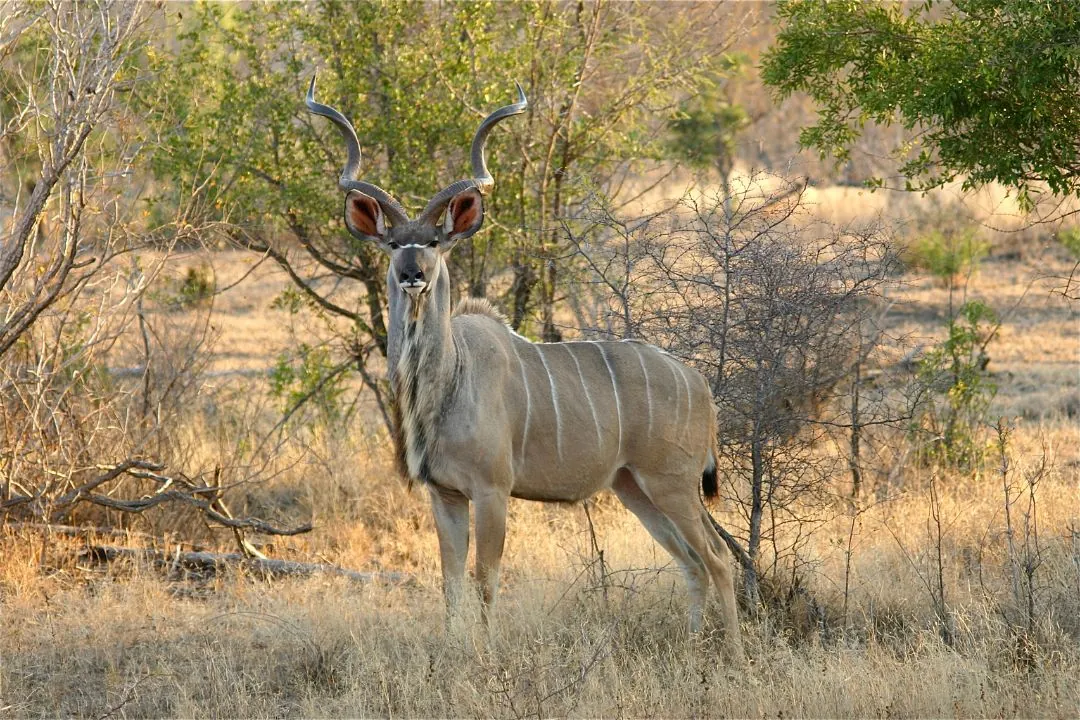
- Known for: the Mkomazi Rhino Sanctuary, African wild dogs, gerenuk, fringe-eared oryx, lesser kudu and solitude.
The Mkomazi Rhino Sanctuary
The heart of Mkomazi’s conservation story is the Mkomazi Rhino Sanctuary, a heavily protected, fenced area of around 50–55 km² inside the national park. Black rhinos were brought here from other populations, including from South Africa, to build a secure breeding herd, and the sanctuary is intensively managed by the George Adamson Wildlife Preservation Trust in partnership with TANAPA.
Because the sanctuary is closely guarded, rhino viewing is carefully controlled. Visits are arranged in advance with the park and the trust, and access and rules can change depending on the rhinos’ needs, so seeing a rhino is never guaranteed. When a visit is possible, it is a privilege: a chance to understand the patience, science and dedication that go into saving one of Africa’s most threatened animals. The sanctuary also runs an education programme for local schools, bringing children to learn about the wildlife on their doorstep.
African wild dogs
African wild dogs, also known as painted wolves, are among the most endangered large carnivores in Africa. From the late 1990s, Mkomazi ran a breeding programme that raised wild dogs in large enclosures and released packs into the park. These dogs now range across Mkomazi and into Tsavo in Kenya. Wild dogs are nomadic and cover huge distances, so sightings are rare and unpredictable, but knowing they are out there adds to the sense of a living, recovering wilderness.
Wildlife of Mkomazi
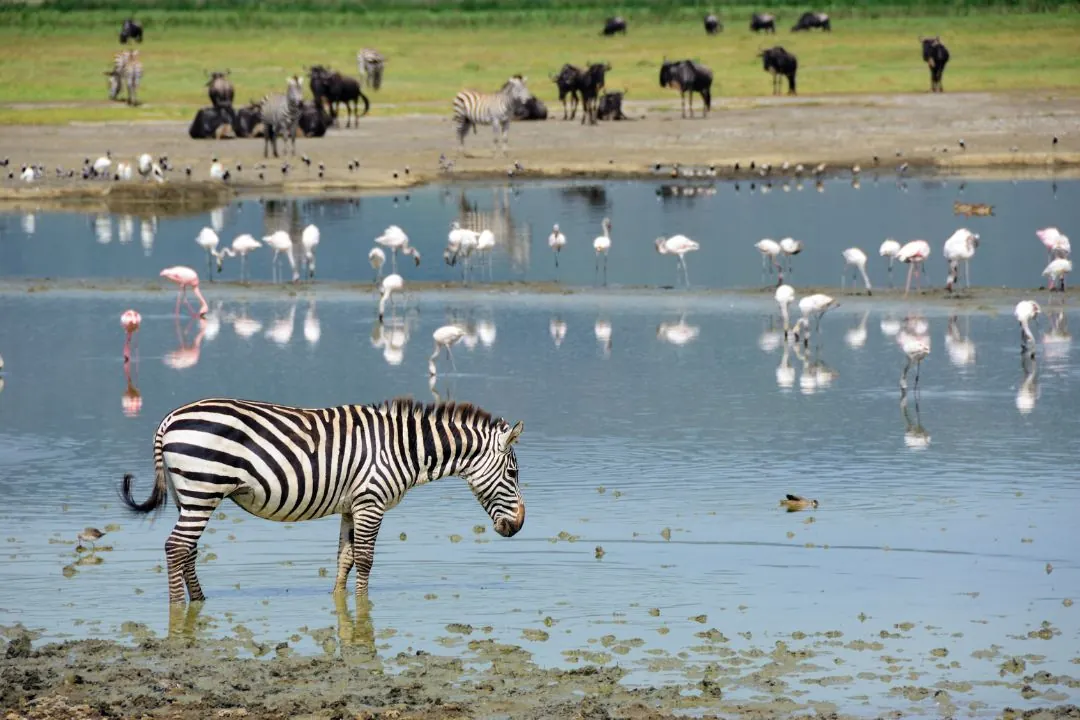
Mkomazi is a dry-country park, and its wildlife is quite different from that of the Serengeti or Tarangire. Animals are wary and more spread out than in the busy parks, so game viewing is about quality and discovery rather than numbers.
Dry-country specialists
This is one of the best places in Tanzania to see species adapted to arid bush: the gerenuk, a long-necked antelope that stands on its hind legs to browse; the fringe-eared (beisa) oryx, with its long straight horns; and the lesser kudu, shy and beautifully striped. Mkomazi has been described as holding the only gerenuk population in a protected area in Tanzania.
Other mammals
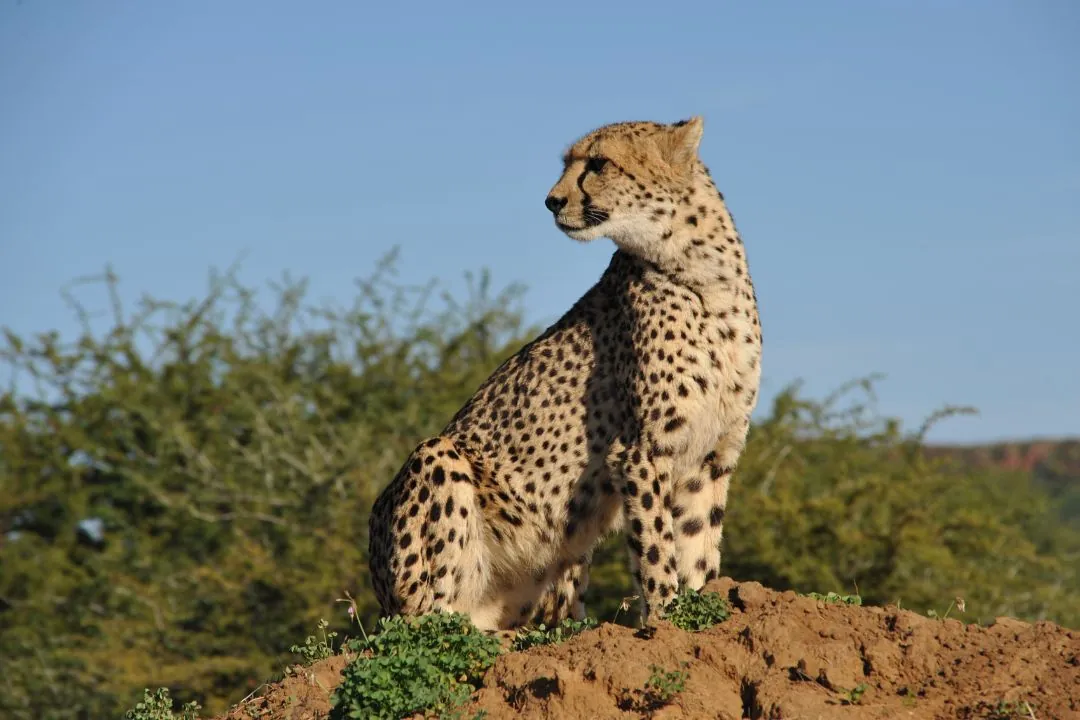
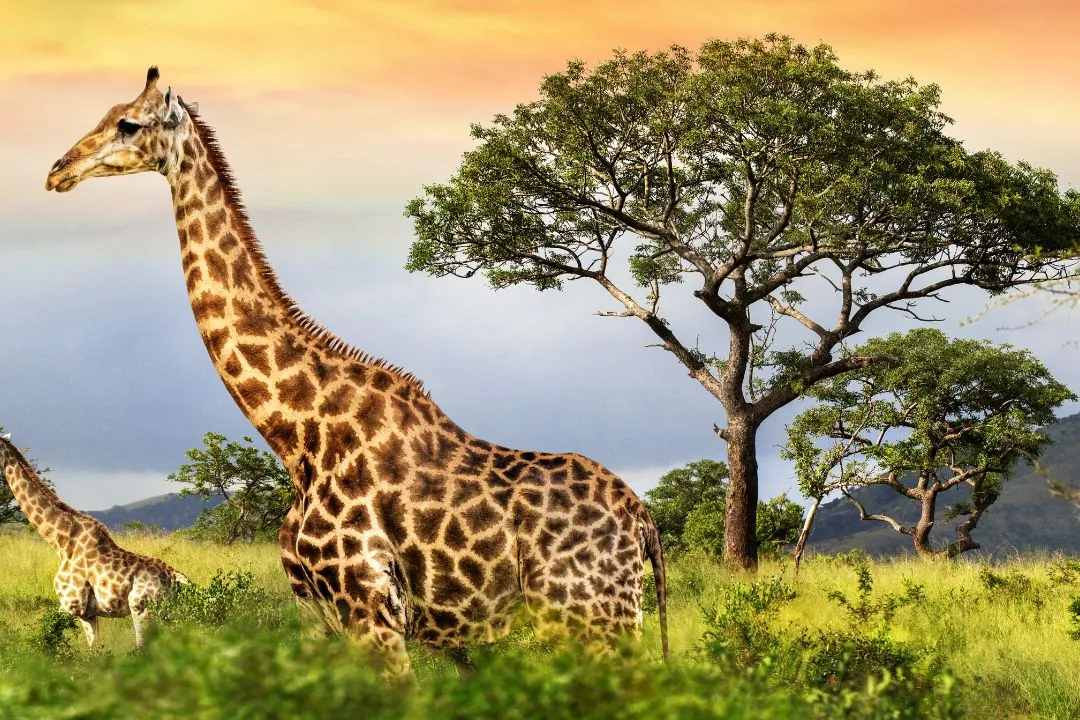
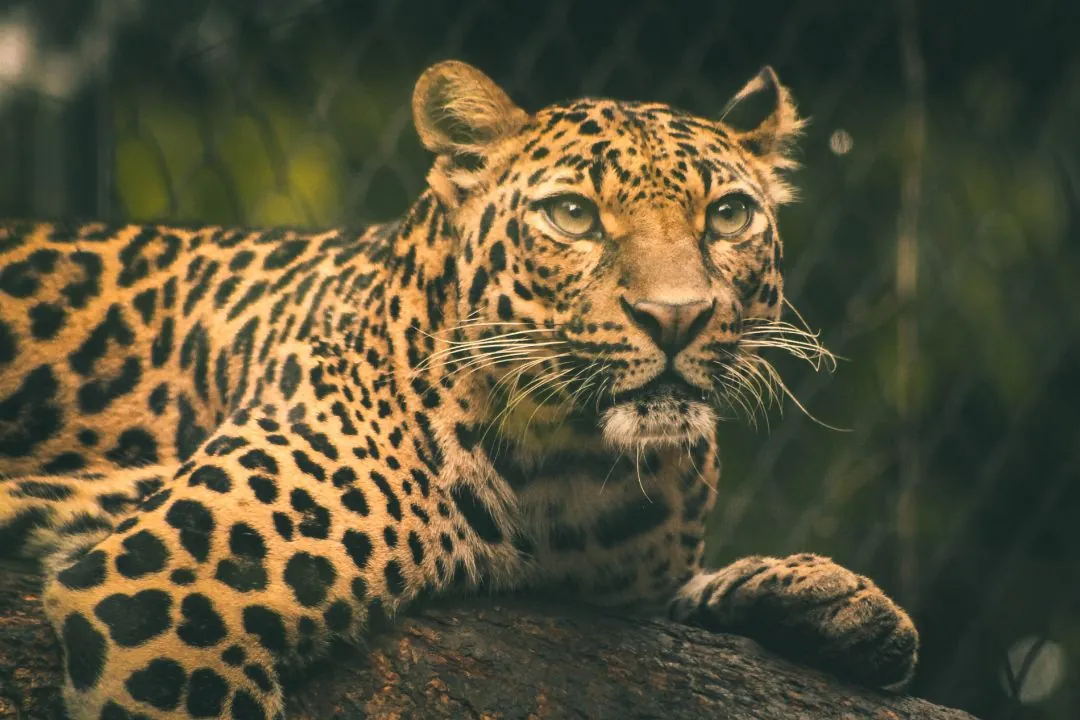
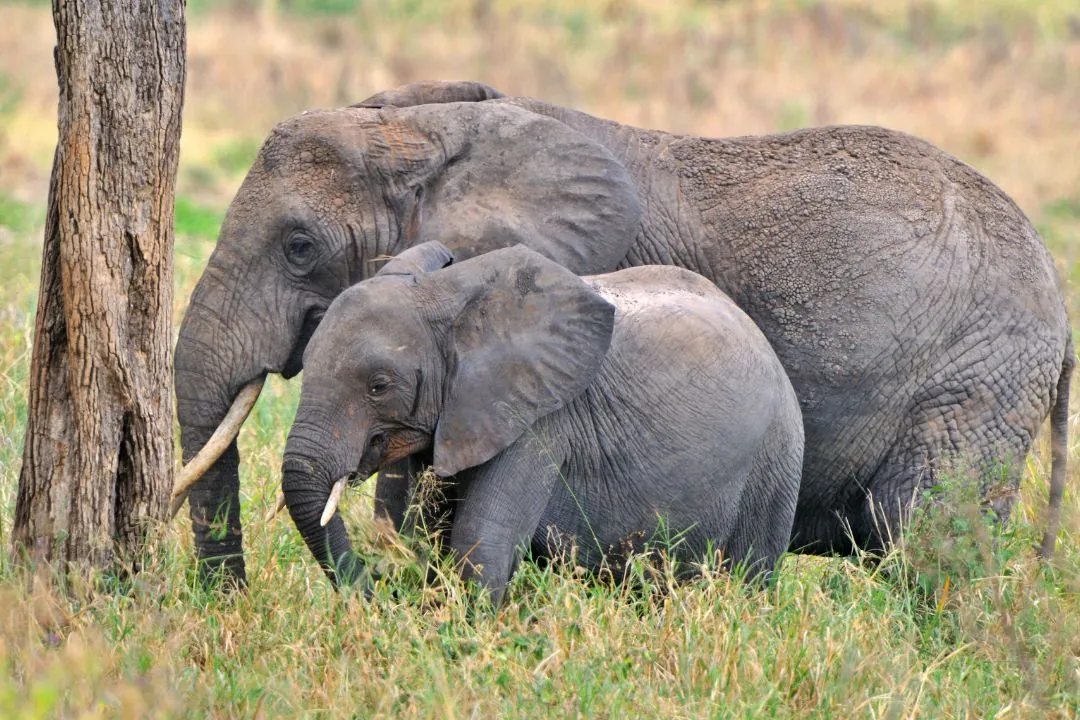
Elephants move between Mkomazi and Tsavo, and giraffes, zebras, elands, buffaloes, kongonis (hartebeest), impalas, Grant’s gazelles, dik-diks and warthogs are found across the park. Lions, leopards, cheetahs and spotted and striped hyenas are present but not often seen; smaller cats such as servals, caracals and African wild cats are occasionally spotted.
Birds
Mkomazi has a rich bird list typical of the dry Somali-Maasai region, including species that are hard to find elsewhere in Tanzania. Look for ostriches, kori bustards, vulturine guineafowl, golden-breasted starlings, hornbills, rollers, weavers and many birds of prey. The green season, from November to April, brings migrants from Europe and Asia and is the best time for birders.
Landscape and scenery
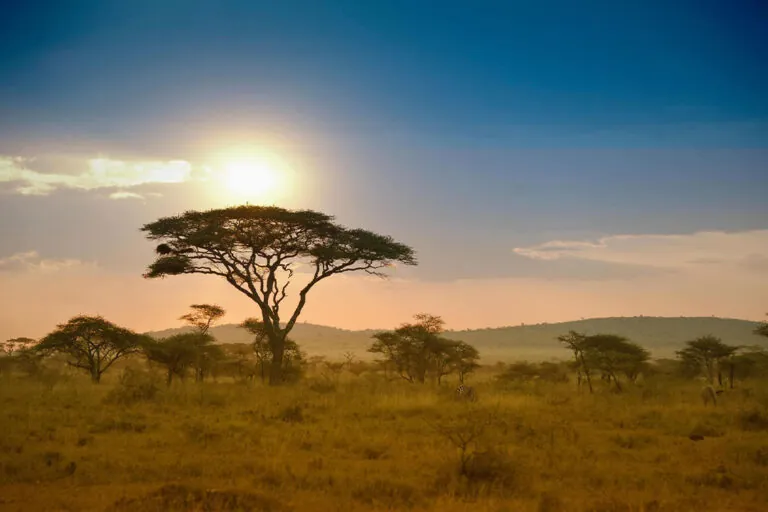
Mkomazi’s scenery is part of its appeal. Rocky granite outcrops rise from the bush, giving wide views across the plains to the Pare Mountains in the west and the Usambara Mountains in the south, and on clear days towards Kilimanjaro. The park ranges from around 230 metres above sea level in the east to over 1,600 metres in the hills, and its dry, open character feels very different from the green highlands nearby. After the rains, the bush turns green and flowering, while in the dry season the red earth, baobabs and golden grass have a stark beauty.
Mkomazi and Tsavo: one ecosystem, two countries
On a map, Mkomazi looks like a modest park on the edge of Tanzania. In reality it is the southern part of a much larger landscape. Its northern boundary is the Kenyan border, and beyond it lies Tsavo West National Park, which, together with Tsavo East, forms one of the largest protected areas in Africa. Animals do not recognise the border: elephants, wild dogs and other species move freely between the two countries, using Mkomazi’s water and grazing at different times of year. Protecting Mkomazi therefore helps safeguard wildlife across the whole cross-border ecosystem.
The Pare and Usambara mountains
Mkomazi lies between two ranges of the ancient Eastern Arc mountains, among the oldest mountains in East Africa and a global hotspot for plants and animals found nowhere else. To the west rise the Pare Mountains, with forests, farms and traditional villages that are lovely for hiking and cultural visits. To the south, the Usambara Mountains offer cool air, viewpoints over the plains, forest walks and small villages such as Lushoto, a former colonial hill station. Both make a refreshing contrast to the heat of the park and are easy to combine with a Mkomazi safari.
A sample 3-day Mkomazi trip
Day 1: Moshi to Mkomazi
Leave Moshi or Arusha after breakfast and drive south-east along the Pare Mountains to Same and the Zange Gate. Enter the park after lunch and enjoy an afternoon game drive towards the hills, with sundowners overlooking the plains.
Day 2: A full day in the park
Spend the day exploring Mkomazi’s tracks with a picnic, looking for gerenuk, oryx, lesser kudu and elephants, and, if arranged, visit the rhino sanctuary to learn about the conservation programme. Finish with a short guided walk or a quiet evening under the stars.
Day 3: Onward journey
Take an early game drive, then continue to the Usambara Mountains, the coast, or back to Kilimanjaro International Airport for your flight to Zanzibar or home.
Things to do in Mkomazi
- Game drives: explore the park’s network of tracks in your private 4x4 vehicle, often without seeing another car all day.
- Rhino sanctuary visit: when it can be arranged, learn about the rhino programme from the people who run it.
- Walking safaris: guided walks with a park ranger can be arranged in some areas, a wonderful way to appreciate the dry-country plants and smaller wildlife.
- Birdwatching: excellent, especially in the green season.
- Photography and stargazing: clear skies, little light pollution and dramatic landscapes.
Best time to visit Mkomazi
- June to October (dry season): animals gather near water, the bush is thinner and roads are in their best condition. This is the best time for general wildlife viewing.
- November to March: green and hot, with excellent birdlife and few visitors; short rains may fall from November.
- April and May: the long rains make some tracks difficult, and wildlife disperses.
How to get to Mkomazi
Mkomazi lies in north-eastern Tanzania, off the main road between Moshi and the coast. The main entrance, Zange Gate, is near the town of Same, roughly two to three hours’ drive from Moshi and around three hours from Kilimanjaro International Airport. From Arusha, allow four to five hours. Because it sits between Kilimanjaro and the coast, Mkomazi is easy to include on a road journey from the northern circuit towards the Usambara Mountains, Tanga or the beaches of Pangani and Saadani.
Getting around inside the park
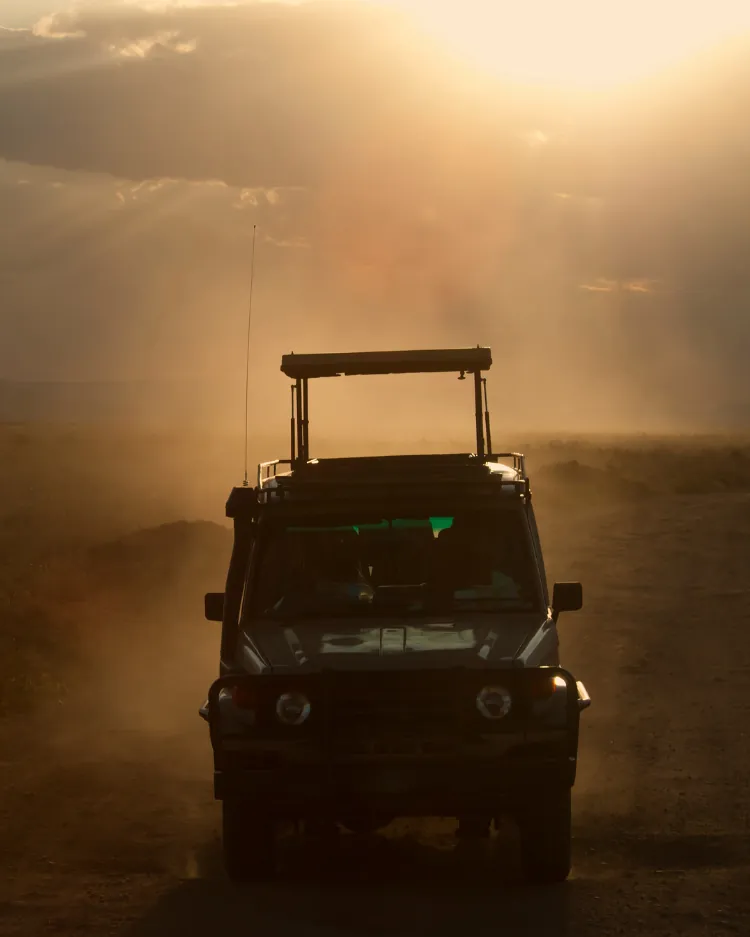
Mkomazi’s roads are mostly gravel and earth tracks, which are generally good in the dry season but can become slippery or impassable in heavy rain. A sturdy 4x4 vehicle with an experienced driver-guide is essential, and we plan routes to match the season and the condition of the tracks. Distances inside the park are long, and there are few facilities, so we carry plenty of water, a picnic and everything needed for a full day out.
Where to stay
Accommodation in and around Mkomazi is limited, which is part of its charm. Options include a small number of tented camps and lodges near the park and simple public campsites inside it. Because availability is limited, we arrange Mkomazi stays individually; tell us your dates and travel style and we will suggest what fits. If you are combining Mkomazi with Kilimanjaro or Arusha, see our favourite lodges around Arusha on the Where you’ll stay page, such as Mount Meru Game Lodge and Rivertrees Country Inn, which are convenient for Kilimanjaro International Airport.
Combining Mkomazi with the rest of Tanzania
Mkomazi rewards travellers who want something beyond the classic northern circuit. Some ideas:
- After Kilimanjaro: rest and recover with a quiet safari after your climb; Mkomazi is closer to Moshi than the northern parks. See our Kilimanjaro routes.
- Mountains and coast: combine Mkomazi with walking in the cool Usambara Mountains and a few days on the coast or in Zanzibar.
- Northern circuit plus: add Mkomazi to a safari of Tarangire, the Ngorongoro Crater and the Serengeti for a complete picture of northern Tanzania’s wildlife, from the wet highlands to the dry bush.
- Day trips near Moshi: pair Mkomazi with the Materuni Waterfalls & Coffee Tour or the Chemka Hot Springs Day Trip.
Who should visit Mkomazi?
Mkomazi is ideal for repeat safari-goers who have already seen the Serengeti and want somewhere quieter, for conservation enthusiasts interested in rhinos and wild dogs, for birders looking for dry-country species, and for travellers who simply love wide, empty landscapes. It is less suited to first-time visitors who want to see as many animals as possible in a short time; for them, the northern parks offer easier game viewing.
Supporting conservation in Mkomazi
Visiting Mkomazi directly supports its recovery: park fees fund protection and management, and interest from visitors strengthens the case for conservation in the region. The rhino and wild dog programmes are supported by charities, and many guests choose to learn more about them after their visit. Around the park, community outreach projects, including school visits and education programmes, help local people benefit from the wildlife on their doorstep.
A short history of Mkomazi
Mkomazi was first protected as a game reserve in 1951, together with the neighbouring Umba reserve. In the following decades pastoralists and their cattle used much of the reserve, and by the late 1980s overgrazing, fire and poaching had left the land and its wildlife in a poor state. In 1988 the government removed livestock from the reserve, a decision that was controversial and had serious consequences for the herders who had grazed there. At the same time it invited the George Adamson Wildlife Preservation Trust to help with restoration.
Under field director Tony Fitzjohn, who had worked with George Adamson on lion rehabilitation in Kenya, the trust spent more than two decades rebuilding Mkomazi: clearing roads, building dams, training rangers, starting education programmes and creating the rhino sanctuary and wild dog programme. The wild dog breeding programme began in the late 1990s, and the first rhinos arrived in the same decade. In 2008 Mkomazi was declared a national park, and today it is managed by TANAPA with continued support from the trust and its partners.
What to expect from a Mkomazi safari
A safari in Mkomazi feels different from one in the busy northern parks. Wildlife is more scattered and often shyer, because the park is still recovering and animals move across a huge area that includes Tsavo. You may drive for a while between sightings, but each one feels like a discovery, and you are likely to have it entirely to yourself. Your guide will focus as much on tracks, birds, plants and the landscape as on big mammals, and the evenings are quiet, with clear starry skies. Travellers who enjoy this slower, more exploratory style of safari often say it is the most authentic wilderness experience of their trip.
Photography in Mkomazi
Mkomazi is a wonderful place for landscape photography. The granite outcrops make natural viewpoints, and the low sun in the early morning and late afternoon turns the red soil and golden grass into rich colours, with the blue silhouettes of the Pare and Usambara mountains behind. Dry-country animals like gerenuk and oryx make striking subjects against the open bush. Because animals can be shy, a long lens of 300 mm or more is useful, and a beanbag helps steady it on the vehicle. At night, the dark skies far from any town are ideal for photographing the Milky Way.
Mkomazi with children
Older children with an interest in animals and conservation often love Mkomazi, especially the chance to learn how rhinos are protected. Younger children may find the longer drives between sightings less exciting than the busy northern parks, so we usually suggest Mkomazi as a short extension for families, combined with the pools and easy wildlife of lodges around Arusha and the classic parks.
Practical tips
- Heat and sun: Mkomazi is hot and dry; bring a wide-brimmed hat, sunscreen and plenty of water.
- Dust: pack a scarf or buff and protect your camera in the dry season.
- Health: the park is in a malaria area; speak to your doctor about prevention before you travel.
- Plan ahead: rhino sanctuary visits and accommodation need to be arranged in advance.
- Patience: wildlife is more scattered and shyer than in the northern parks, so enjoy the landscape and the silence as much as the sightings.
Plan your Mkomazi safari
We do not include Mkomazi in our standard itineraries, so every Mkomazi trip is tailor-made. Tell us how many days you have and what else you would like to see, and we will design a route that works, whether it is a two-night extension after Kilimanjaro or part of a longer journey to the coast. Send us an enquiry and a travel expert in Arusha will reply within 24 hours.