

How much does it cost to climb Kilimanjaro?
Where your money goes on a Kilimanjaro climb: park fees by route and length, the crew, hotels, gear, tips and the costs people forget.
Read the article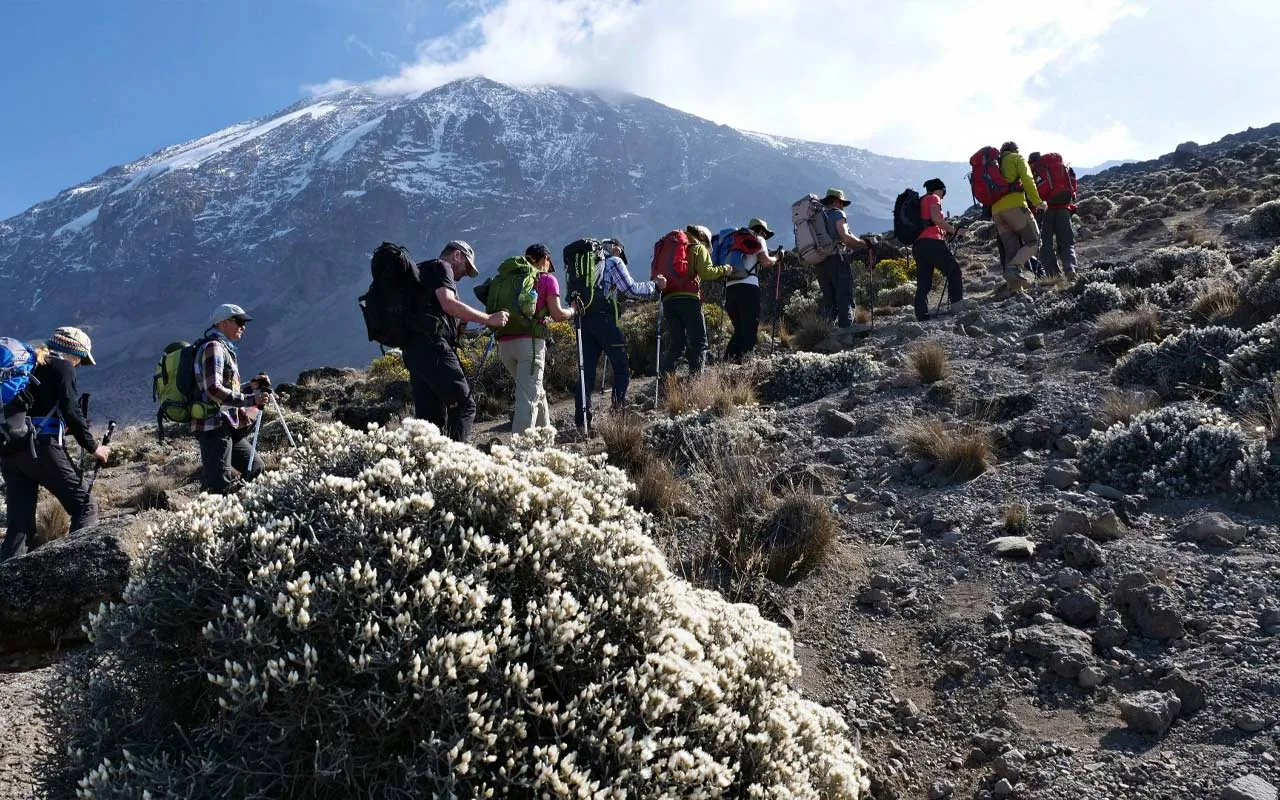
Kilimanjaro guide · 1 min read
Kilimanjaro can be climbed all year, but the dry months give clearer skies and easier trails. Here is what to expect in each season.
Kilimanjaro is close to the equator, so temperatures change more with altitude than with the seasons. Rain is what makes the difference: it affects how slippery the trails are, how much you see and how comfortable your nights in camp will be.
A short dry season with mostly clear mornings and warmer temperatures on the lower slopes. A lovely time to climb, with fewer people than in the middle of the year.
The wettest months, with heavy rain on the lower slopes and snow possible near the summit. Trails are muddy and views are limited. We only recommend climbing now for experienced, flexible trekkers, usually on the drier Rongai route.
Dry, clear and cold at night, especially near the summit. July to September is the busiest period, so book early, and bring warm layers for the summit night when temperatures can fall well below freezing.
Brief afternoon showers are common in November, with conditions improving through December. Climbing over the festive season is popular, so plan ahead.
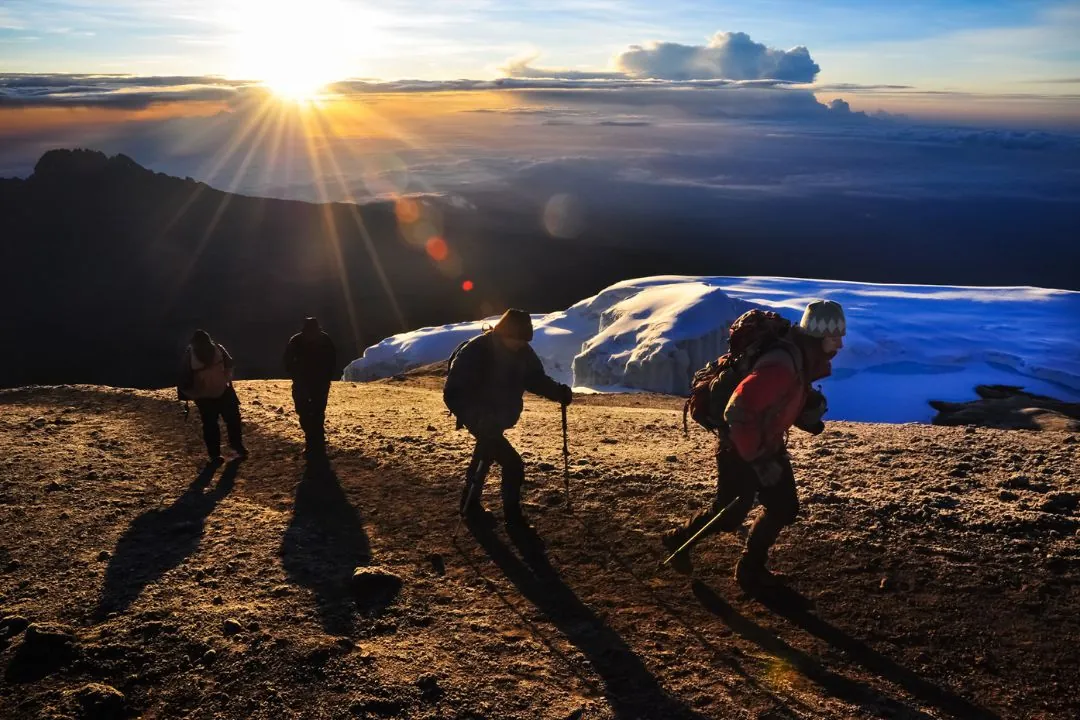
Many climbers like to time the summit night with a full moon, when the mountain glows and head torches are almost unnecessary. Ask us for the full-moon dates in your travel month.
Keep reading
Where your money goes on a Kilimanjaro climb: park fees by route and length, the crew, hotels, gear, tips and the costs people forget.
Read the article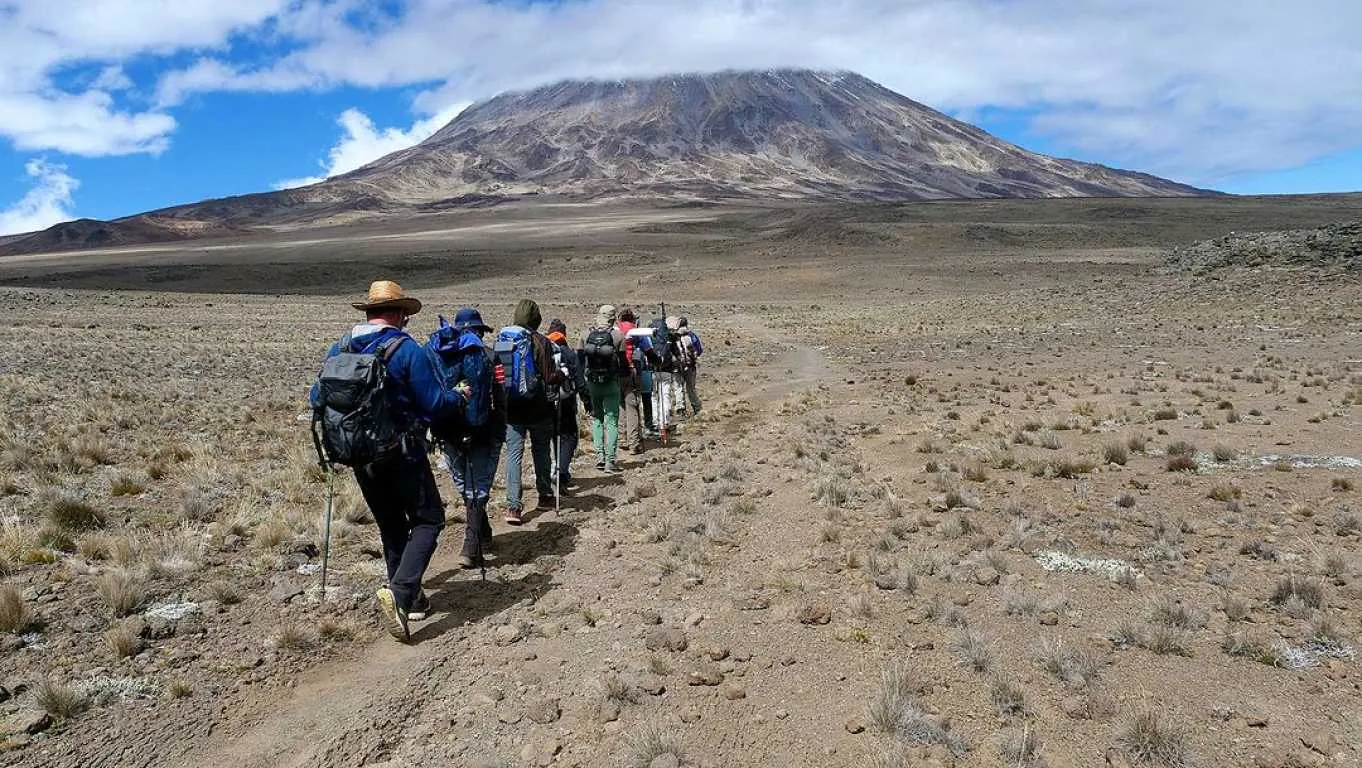
The clothing, gear and small extras you need to climb Kilimanjaro comfortably, from the rainforest to a freezing summit night.
Read the article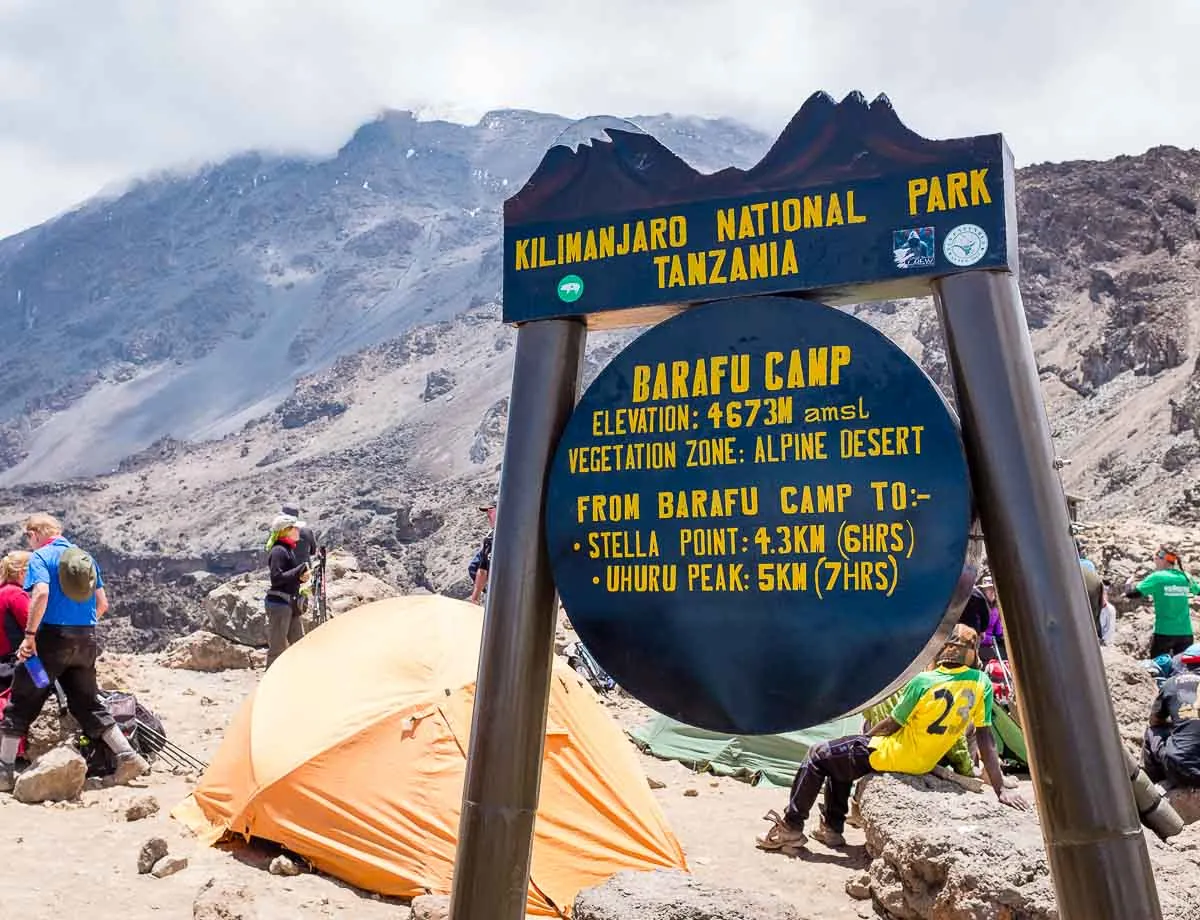
Why altitude affects climbers, the symptoms of altitude sickness, how acclimatisation works and what our guides do to keep you safe.
Read the article